
Understanding wall width is very important when choosing pipes for high-pressure oil and gas transportation or structural uses. According to the pipe schedule and outer diameter, the wall thickness of API 5L X65 pipe usually ranges from SCH10 to SCH160, which is 6.35mm to 59.54mm. Engineers can use this range to choose the right thickness values for the working forces and the surroundings. The number "X65" means that the minimum yield strength is 65,000 psi (450 MPa), and the wall thickness directly affects how well the pipe meets this mechanical performance when it is being used.
|
|
|
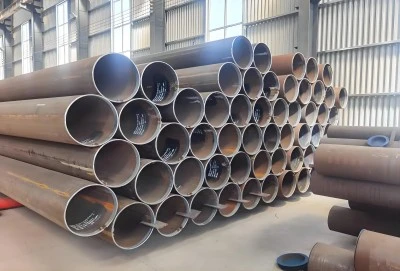
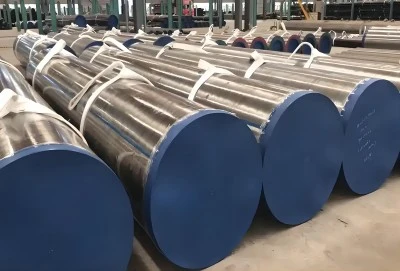
Wall Thickness of X65 Pipe
The wall thickness tells you the radial distance between the pipe's outer and inner sides, and how accurate it is decides how safe it is to use. In pipeline building, even small changes from the stated thickness values can make it harder to keep pressure inside or make the structure less stable. API 5L standards require tight tolerances to make sure that all output runs are the same.
Why Wall Thickness Matters in High-Pressure Applications
Pipes used to move oil and gas are subject to weather forces and internal pressures that are often higher than 1,000 psi. Not enough wall thickness can cause fatal breakdowns, while too much thickness raises the cost of materials and weight without adding any safety benefits. In order to find the best mix, you need to know how thickness affects pressure rates.
Barlow's formula shows that wall thickness affects pressure capacity: P = 2St/D, where P is the allowed pressure, S is the allowable stress, t is the wall thickness, and D is the outer diameter. This mathematical relationship shows why working forces can be higher when walls are thicker.
Pipe Schedules and Nominal Thickness Values
Pipe charts show normal groups of wall thicknesses. General-use apps can use Schedule 40 (STD), while higher-pressure needs are met by Schedule 80 (XS) and 160 (XXS). When procurement managers buy API 5L X65 pipes, they have to be very specific about the plan so that it fits with the project's design requirements.
Standard schedules make it easier for engineers to do math and make sure that all providers follow the same rules. A 24-inch API 5L X65 pipe with a Schedule 40 thickness is about 9.53 mm thick, while the same diameter pipe with a Schedule 80 thickness is 14.27 mm thick. These standard numbers make the buying process easier and cut down on design mistakes.
Key Dimensions and Specifications of API 5L X65 Pipes
In the API 5L protocol, detailed size rules are set that control the making of pipes. Through controlled chemistry and heat treatment methods, API 5L X65 grade pipes meet strict standards for their mechanical properties.
Standard Dimensional Ranges
To meet the needs of a wide range of projects, Longma Group makes API 5L X65 pipes in a wide range of sizes. We can make things with outside sizes ranging from 1/2 inch (21.3 mm) to 80 inches (2032 mm), and wall thicknesses from SCH10 to SCH160. Standard lengths are between 6 and 18 meters, but different lengths can be made for certain projects.
According to standard practice in the business, there is a link between the outer diameter and the usual wall thickness numbers. Pipes with a diameter of less than 6 inches usually need thicknesses between 6.35 mm and 12.7 mm, while pipes with a diameter of 24 inches or more may need thicknesses greater than 25 mm to keep their structure strong under working loads.
Mechanical Properties Linked to Wall Thickness
The minimum yield strength for API 5L X65 grade steel is 450 MPa, and the minimum tensile strength is 535 MPa. These qualities stay the same no matter how thick the wall is, but parts that are thicker are better able to withstand outside loads and collapse forces. The pipe's moment of inertia is affected by its wall thickness, which in turn affects how well it can handle bent moments during installation or service.
The chemical makeup is also very important for getting certain mechanical qualities. Grain polishing and precipitation hardening are both helped by controlled amounts of carbon, manganese, and micro-alloying elements like niobium and vanadium. Together, these metallurgical features and wall thickness make for reliable performance in tough working settings.
PSL1 Versus PSL2 Specifications
There are two Product Specification Levels in API 5L that affect the limits for wall thickness. PSL1 is standard quality with basic testing needs that can be used in a wide range of situations. PSL2 is the best choice for vital infrastructure because it has tougher limits on chemical composition, requires impact testing, and has tighter standards for size and shape.
Charpy V-Notch impact testing is done on PSL2 pipes to make sure they can't break at certain temperatures. This extra qualification makes sure that the pipe won't break easily in cold places or when there is fast deflation. Engineers must take these higher performance needs into account when choosing wall thickness for PSL2 uses.
Heat Treatment and Quality Assurance for Ensuring Wall Thickness Integrity
The ways that things are made have a direct effect on how regular the wall thickness is and how stable the dimensions are. Controlled heat treatment and thorough inspection processes make sure that the whole length of finished pipes meets the limits set by the specifications.
Heat Treatment Practices for Dimensional Stability
Normalization or thermomechanically controlled handling of API 5L X65 pipes is used to get the desired mechanical qualities while keeping the accuracy of the dimensions. Heat treatment rounds are adjusted based on the width of the wall, since thicker parts need longer soak times to make sure that the temperature is the same all the way through the cross-section.
The right heat treatment gets rid of any leftover stresses that were created during the making process. This keeps the dimensions from changing when the product is later handled or installed. Normalized API 5L X65 pipes have uniform microstructures that make their mechanical performance and weldability reliable. This makes installation in the field easier.
Non-Destructive Testing for Wall Thickness Verification
Ultrasonic testing (UT) is a safe way to measure the thickness of a pipe wall without hurting it. Automatic UT systems scan the whole length of the pipe, taking readings of the thickness at regular times to make sure they are within the limits set by the specifications. This thorough check finds specific weak spots that might make pressure control less effective.
Radiographic testing is an extra way to check the soundness of soldered pipes because it can find problems inside the weld that could affect the structure's strength. Longma Group uses both UT and X-ray testing on LSAW and SSAW goods to make sure the quality of the welds meets API 5L standards. These non-destructive ways provide proof of quality without making the pipe less useful.
Hydrostatic Testing and Pressure Verification
Every API 5L X65 pipe is put through hydraulic pressure tests to make sure it doesn't leak and that the structure is sound. Test pressures are figured out by knowing the thickness and grade of the wall. They usually hit 90% to 95% of the yield-based pressure value. This damaging test proves that the pipe can safely hold design pressures for the whole time it's in use.
As part of mechanical testing, tensile pieces are taken from pipe bodies and weld joints to check the yield strength, tensile strength, and elongation values. Charpy impact testing on PSL2 grades shows that the pipes are fracture tough at certain temperatures, which means they won't break in weak ways. These thorough quality standards give buying teams trust in the performance of the products they buy.
Conclusion
The right wall thickness for API 5L X65 pipe must be chosen by striking a balance between the needs for mechanical performance and the costs of the project and the installation. From low-pressure distribution systems to high-pressure transport pipes, thicknesses ranging from 6.35mm to 59.54mm can be used. Procurement professionals can make sure that specifications meet their needs by understanding how thickness affects pressure ratings, material prices, and production wait times. The API 5L X65 grade has a great strength-to-weight ratio, which means that walls can be smaller than with lower grades. This saves material without sacrificing safety. When you buy pipes from qualified makers with tried-and-true quality systems, you can be sure that they will meet the important mechanical properties and size tolerances needed for long-term performance.
FAQs
What wall thickness range is typical for oil and gas transmission pipelines?
Long-distance oil and gas pipelines usually use API 5L X65 pipes with walls that are between 12.7 mm and 25.4 mm thick, based on the diameter and working pressure. Schedule 80 or heavier is often used for high-pressure gas transfer lines that work above 1,200 psi, while Schedule 40 or 60 may be used for crude oil pipes that work at low pressures.
How does wall thickness affect maximum allowable operating pressure?
Barlow's formula says that the maximum allowed working pressure goes up or down linearly with wall thickness. In theory, increasing the wall thickness by two times increases the pressure rating by two times as well. However, there are real boundaries that come from the ability to manufacture and the cost of materials. Ratings for pressure must also take into account changes in temperature, corrosion, and horizontal forces caused by thermal expansion.
Can X65 pipes be manufactured with custom wall thicknesses?
To meet the needs of a specific job, walls can be built with thicknesses that aren't on the usual schedule. Non-standard thicknesses usually have minimum order numbers, and wait times are longer than for stock specs. Longma Group works with engineering teams to find out if custom thickness offers enough technical or economic benefits to make up for the costs of setting up production.
Partner With Longma Group for Reliable API 5L X65 Pipe Supply
Your project will receive goods that meet the exact wall thickness and mechanical property standards if you choose a qualified API 5L X65 pipe manufacturer. From 2003 to now, Longma Group has worked with the global pipeline business, sending more than 1,000,000 tons of materials to projects in 90 countries every year. ERW, HFW, LSAW, DSAW, and SSAW are all industrial methods that we can use. This gives you the freedom to choose the welding technology that works best for your needs.
We have many certificates, such as API 5L, ISO 9001, and Factory Production Control credentials, that show how well we handle quality. Your project's compliance needs can be met with full paperwork packages that include Material Test Certificates, Inspection and Test Plans, and Manufacturing Procedure Specifications. Our fastest shipping time of seven days for standard specs helps keep building plans on track, and big order prices help keep budgets for buying things in check.
Email our expert team at info@longma-group.com to talk about the needs of your project. Longma Group is ready to serve as your go-to API 5L X65 pipe provider, whether you require normal Schedule 40 pipes for distribution systems or heavy-wall Schedule 160 pipes for high-pressure service. You can look at our full line of products at longma-group.com and ask for a quote that is specifically made for your needs.








