
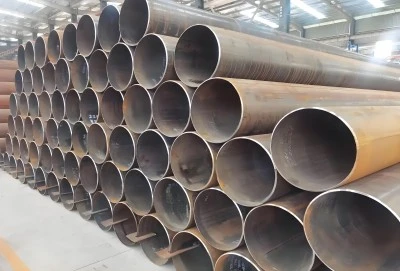
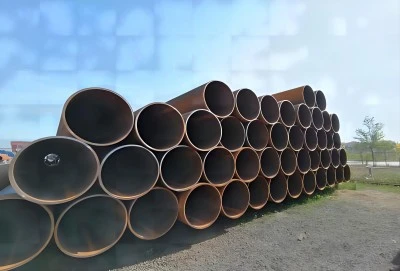
API 5L X56 PSL1 pipe stands apart from lower API 5L grades through its enhanced yield strength of 56,000 psi (386 MPa), compared to X42's 42,000 psi or X52's 52,000 psi. This higher strength enables thinner wall designs under equivalent pressure, reducing material costs while maintaining safety margins. The grade incorporates controlled chemical composition with optimized carbon equivalent values, delivering superior weldability and toughness in demanding transmission environments. These characteristics make X56 particularly valuable for high-pressure oil and gas pipelines where operational reliability cannot be compromised.
|
|
|
Understanding API 5L X56 PSL1 – Specifications and Standards
The American Petroleum Institute made the API 5L standards to make sure that all line pipes made for important energy facilities are the same. Within this framework, API 5L X56 PSL1 pipe is a carefully balanced grade that meets strict performance requirements without the extra testing procedures that PSL2 requires.
Core Chemical Composition Requirements
The chemicals in API 5L X56 PSL1 pipe affect its mechanical and field performance. The carbon content is normally 0.26%–0.30%, giving the metal strength and welding ability. Manganese at 1.35% smooths and toughens grains. The greatest phosphorus and sulphur content is 0.030%. This prevents welding hot cracking and metal brittleness. A silicon content of 0.35% helps deoxidise steel, making the pipe body more consistent and cleaner.
This regulated chemistry predicts behaviour regardless of temperature and pressure. Purchasers enjoy this uniformity since it simplifies design maths and reduces the possibility of material failure during usage. No specific filler materials or preheating are needed for SMAW, GTAW, and GMAW welding using the mix.
Mechanical Property Benchmarks
Yield strength is an important design parameter for pressure tanks and pipes because it tells us the amount of stress at which permanent deformation starts. Tensile strength should be between 490 and 760 MPa (71,100 to 110,200 psi), and yield should be at least 386 MPa (56,000 psi). These numbers help engineers to choose pipes that are lighter but still meet pressure standards. This lowers the cost of shipping and installing the pipes.
For ductility, elongation requirements must be met, with minimum values ranging from 20% to 24% depending on the orientation of the specimen. This flexibility lets it take impact energy and handle small changes in the ground without breaking completely. When compared to Grade B pipes, which only have a yield strength of 245 MPa, X56 has a 58% strength advantage. This can directly lead to better safety factors or less material use.
Manufacturing Methods and Heat Treatment
Longma Group welds API 5L X56 PSL1 pipes employing many processes, each optimised for a certain diameter and thickness. Pipes from 1/2" to 24" may be made quickly and efficiently using ERW. It forges joints using high-frequency induction. LSAW can handle 16" to 80" diameters, making it ideal for trunk pipes with high throughput. SSAW (Spiral Submerged Arc Welding) does not cost much to connect big-diameter items since the spiral form distributes stress.
Heat treatment normalises weld zone microstructure. It removes residual tensions and enhances grain structure. This heat treatment ensures the weld matches or exceeds the underlying material. This prevents failures. Computer-controlled furnaces at our locations maintain precise temperature profiles and cool pipes at the optimal pace for their diameter and wall thickness.
Comparing API 5L X56 PSL1 with Lower API 5L Grades
When procurement professionals know the technical differences between X56 and lower grades, they can choose the most cost-effective solution for each operating situation. These differences go beyond just strength values and include things like durability, maintenance intervals, and the overall cost of ownership over the whole lifecycle.
Yield Strength and Pressure Capacity Analysis
API 5L grade numbers are based on minimum yield strength in pounds per square inch. The yields for X42, 46, 52, and 56 are 42, 46, 52, and 56 ksi, respectively. This breakthrough reveals how much stress and internal pressure a material can endure, not merely how to simplify numbers.
With conventional safety factors, a 24-inch-diameter API 5L X56 PSL1 pipe with a 0.375-inch wall thickness may safely operate at 1,440 psi using the Barlow technique to calculate hoop stress. To achieve the same pressure rating, a comparable X42 pipe requires 0.500 inches in wall thickness, using 33% more steel per linear foot. This width variation adds hundreds of tonnes of material to a 50-mile pipeline, affecting prices and completion times.
X56 is robust and works well when pressure fluctuates, which is usual in batch shipping. The greater yield point protects the material against fatigue fractures, extending its service life under repeated loads. This higher wear resistance helps projects with fluctuating flow rates or many start-stop cycles.
Chemical Composition Variances and Corrosion Performance
All PSL1 grades keep harmful impurities to a minimum, but X56 has a little more manganese and controlled microalloying elements that make the grain structure better. Compared to lower grades, this finely tuned microstructure is more resistant to both general rust and stress corrosion cracking. When the earth is wet, the tighter grain borders stop galvanic cells from forming, which slows down electrochemical breakdown.
To meet their strength goals, lower types like X42 often have higher carbon levels, which makes them harder to weld and more likely to crack when hydrogen is added. API 5L X56 PSL1 pipe is stronger than other steels because it uses balanced alloying instead of too much carbon. It also keeps its carbon equivalent (CE) below 0.43%, which makes it easy to weld in the field. This lower CE value lets you weld in colder temperatures without having to pre-heat, which speeds up building plans in tough conditions.
Application Scenarios Favoring X56 Selection
Strength makes API 5L X56 PSL1 pipe excellent for high-pressure gas transport systems above 1,000 psi. The slope can endure compressor station pressure spikes without exceeding yield limits, lasting decades. Waves prefer stronger materials on offshore platform risers.
Mountainous water transport projects use X56 for elevation-induced pressure shifts. Strong materials are needed to secure a 1,000-foot pipeline with 433 psi standing head pressure. While strong, API 5L X56 PSL1 pipe minimises wall width, making steep slope installation easier.
X56's strength-to-weight ratio makes it popular for bridge piling and construction supports. The grade's mechanical qualities and availability make it perfect for construction projects since they simplify supply and quality control.
Benefits and Advantages of Choosing API 5L X56 PSL1 Pipes
When choosing the right pipe grades, you have to weigh the initial cost of the materials against the ongoing costs of operation and safety. The API 5L X56 PSL1 pipe has strong benefits in a number of areas that are important to engineers and people who make purchasing decisions.
Lifecycle Cost Efficiency and Durability
API 5L X56 PSL1 pipe costs 10-15% more than X42, but thinner walls and higher strength reduce pressure-rated material costs. Comparison of 36-inch diameter pipes indicates that X56 with 0.500-inch wall thickness can support the same pressure as X42 with 0.625-inch. We use 20% less steel every mile. Weight reduction cuts crane size, fuel, and welding supplies, affecting the whole operation.
Due to wear resistance, API 5L X56 PSL1 pipe may be inspected more regularly, reducing maintenance downtime. VPPs reduce fatigue fractures. Delays in repairs and reduced checking expenses. Maintenance savings typically exceed material cost during a 30-year service life, enhancing ROI.
X56 is cheaper due to wall thickness corrosion tolerances. The enhanced microstructure corrodes 15% slower in neutral soil than lesser grades. This helps designers decrease corrosion without compromising grade. This improvement reduces material utilisation while maintaining design safety.
Simplified Procurement Through PSL1 Certification
PSL1 certification ensures quality without PSL2 paperwork and testing, speeding procurement. We standardise using chemical analysis, hydrostatic testing, and dimension inspections. This warranty covers most standard-service requirements. PSL2 counterparts with Charpy impact testing and greater traceability require 10–14 weeks to produce, whereas basic standards take 6–8 weeks.
Every Longma Group pipe length has mill test certifications. Chemical composition, mechanical test findings, and size compliance are on each pipe length certificate. These certifications satisfy engineering contractors' quality assurance demands without PSL2 third-party witness examination. Product quality is enhanced by ISO 9001:2016 and API 5L monogram license.
Globalising API 5L PSL1 standards reduces regional specification difficulties that prohibit global procurement. API-compliant 5L X56 PSL1 pipe meets local standards without costly re-certification. This comprises Southeast Asia, the Middle East, and Australian projects. International trade and customs clearance are easier with unification.
Enhanced Safety Margins in Critical Applications
Pipelines may rupture, causing environmental damage, production stops, regulator penalties, and worker casualties. The yield strength of API 5L X56 PSL1 pipe resists ground movement, third-party interference, and pressure variations. This gap helps in densely populated cities that leak more.
Earthquakes may strain pipelines, making management tougher. Due to its increased yield strength, X56 pipes can bend further before plastic strain breaks them. In earthquakes, API 5L X56 PSL1 pipes failed and warped less.
Marine life, waves, and saltwater cause offshore damage. The fatigue and corrosion resistance of X56 reduces structural failure. Maintenance costs are reduced, and platform life is extended. Operators welcome this expanded service capacity because it helps them repair in distant regions when weather and other reasons prevent travel.
API 5L X56 PSL1 in Practical Use – Testing, Inspection, and Quality Assurance
Tough quality control measures separate trustworthy providers from those whose goods look like they meet the standards but aren't really up to par. By knowing the basic testing procedures, procurement managers can make sure that materials are real and will work before committing project budgets.
Mandatory Testing Requirements for PSL1
All API 5L X56 PSL1 pipes are hydrostatically pressure-tested. Test pressure is normally 60 to 90% of the pipe's minimum yield strength for a certain time to find leaks or structural issues. Automated testing equipment from the Longma Group follows pressure curves and visually inspects each pipe while pushing it down. Quickly separate and inspects defective units.
For API 5L limitations, outer diameter, wall thickness, length, and ovality are examined. Ultrasonic thickness gauges regularly test wall thickness around their diameter. They do this by finding wall construction variations that affect pressure retention. Checking end squareness and blade angles ensures field welding speed and quality.
Chemical analysis starts with steelmaking kettle samples. Last pipe product analysis. OES measures carbon, manganese, phosphorus, sulphur, silicon, and trace elements. Mill test certificates show results. Pipes are thermally traceable to their heating steel. Field performance difficulties may be explored.
Non-Destructive Testing Methods for Weld Integrity
When welding pipes, linear or spiral seams must be as strong and flexible as the material. Ultrasonic testing (UT) reflects high-frequency sound waves off inner cracks to inspect the weld zone. Automatic UT systems scan weld lengths at production speeds and flag portions that require correction or discarding according to API 5L standards.
X-rays and gamma-rays may detect weld faults such as holes, unfused areas, and slag patches that weaken joints. Even though it takes longer than UT, radiography might find defects in quality or failure investigations. The Longma Group's X-ray machine can inspect 3-inch pipes. They use non-Longma Group labs for heavy items.
Ferromagnetic material surface fractures may be detected by magnetic particle analysis. Inspectors use magnetic fields and iron particle suspensions to find welding faults. This method can detect grinding cracks, heat-affected zone defects, and other tiny fractures that volumetric measurements miss.
Avoiding Common Procurement Pitfalls
Some "API 5L" pipes on the global steel market are suspiciously cheap and don't meet standards. These low-quality products use inferior steel, fake mill certificates, or skip key testing. To protect projects, procurement managers check vendors' API logo license using the American Petroleum Institute's online database. This allows sellers to make goods.
Third-party inspection services verify when the source is unavailable. SGS, Bureau Veritas, and TUV examine tests, measurements, and documents before shipment using expert inspectors. Third-party verification increases material prices by 2–4% but minimises the chance of defective materials, which may delay projects or harm people.
Material test report reading demands more than a look. Actual MTCs include quality manager signatures, heat values that match steel mill production records, and test results for all desired qualities. Before accepting delivery, check for differences between what was requested and what was written down, missing test data, or unsigned certificates. Longma Group documentation packages include heat-specific certificates, measurement inspection reports, and testing records. These allow customers to readily verify orders.
Procurement Insights – Sourcing API 5L X56 PSL1 for Your Project
For pipeline projects to be successful, they need reliable material supply lines that deliver the right goods on time and on budget. Strategic procurement practices reduce risks as much as possible while getting the best prices from all suppliers.
Evaluating Supplier Capabilities and Certifications
First, manufacturers' API 5L logo licenses are evaluated. The plant makes API pipes. The quality, production, and testing equipment calibration of licensees are regularly audited. The API oversees production standards and independent certification that unauthorised suppliers cannot.
A production capacity evaluation determines whether suppliers can satisfy project volume without overusing resources. Longma Group meets pipeline project delivery targets with 1,000,000 tonnes of steel produced annually. Our 230,000-square-meter plant has numerous manufacturing lines for simultaneous orders. This prevents manufacturing space competition from delaying your project.
The ISO 9001:2016 quality management certification illustrates process control, corrective action, and progress. These management strategies standardise manufacturing and reduce repairs and discards. ISO 14001 and ISO 18001 environmental and occupational health certifications demonstrate responsibility, which is in accordance with ESG procurement criteria popularised by foreign project designers.
Pricing Dynamics and Lead Time Management
Production capacity, raw material prices, and geography impact API 5L X56 PSL1 pipe pricing. Because iron ore and coking coal prices impact 65–70% of pipe costs, base steel prices fluctuate. Purchasing managers study commodity trends and place purchase orders in favourable markets to save money.
Order quantity and specification affect lead times. Fast-turn work may ship 24", 30", 36", 0.375", 0.500", 0.625", and 40-foot diameters, thicknesses, and lengths within seven days. Custom orders with particular production parameters require 6–8 weeks. Plan ahead and standardise to save rush costs and accelerate delivery.
Production runs for each pipe size are shortest with minimum order amounts. ERW diameters can sustain 50–100 tonnes, whereas large-diameter LSAW pipes require 200–500 tonnes to justify setup expenses. Longma Group balances product maintenance expenses with price reductions to assist clients decide how many to purchase.
Global Logistics Solutions for International Projects
Marine freight, port management, inland transfer, and customs clearance are needed to export pipes internationally. Containers protect 12-inch pipes from weather and theft. Large pipes are loaded directly into ship holds in break-bulk shipment. Pipes must be protected during naval transport.
Incoterms govern shipping, insurance, and risk. FOB (Free on Board) agreements provide buyers transportation control and reward experienced importers with product ties. Shopping for shipping basics is easier with CIF terms that include port delivery. All Longma Group export clients get contract documentation and logistics for short- and long-term contracts.
Port selection and landing costs depend on handling fees, customs efficiency, and project area transit times. Houston, Rotterdam, and Singapore are tech-savvy and cheap. Smaller regional ports' client proximity may offset higher unit handling expenses. Our transport service evaluates these trade-offs and recommends the optimum route for each client.
Conclusion
API 5L X56 PSL1 pipe has clear benefits over smaller grades because it has higher yield strength, better resistance to wear, and better lifecycle economics. The minimum yield of 56,000 psi allows for thinner walls under the same pressure conditions. This saves material while keeping safety margins that are important for oil and gas transmission infrastructure. Standardized testing methods used for PSL1 certification ensure quality without the higher costs and longer lead times that come with PSL2 standards. Strategic buying from qualified manufacturers like Longma Group makes sure that materials are real, that they fit the dimensions, and that they will be delivered on time, which keeps projects on track.
FAQ
1. Can X56 PSL1 pipes be used in sour service environments containing H2S?
The standard X56 PSL1 specs don't cover the needs for sour service. When hydrogen sulfide is present, applications usually need to follow NACE MR0175, which includes stricter material controls and hardness tests that aren't in PSL1. To avoid sulfide stress cracking, projects that will be working in sour environments should specify PSL2 that meets NACE standards. Longma Group offers sour-service qualified grades when the needs of your application call for extra safety.
2. What coating options are available for corrosion protection?
When applications are covered, external coats keep the dirt from corroding. Three-layer polyethylene (3LPE) is good at keeping moisture out and resisting damage from mechanical forces in most settings. Fusion-bonded epoxy (FBE) is better at withstanding high temperatures and can be used in pipes that work at those temperatures. Coatings inside the machine, like resin or polyurethane, stop friction losses and keep the product side from rusting. Longma Group applies coatings in a special building. We make sure that the surface is properly prepared and that the right application settings are used so that the coating sticks well and lasts as long as possible.
3. How does wall thickness affect delivery schedules?
Standard pipe schedules (SCH 40 and SCH 80) and common wall thicknesses ship the fastest because they match up with more frequent production runs. Custom wall widths need special production setups, which adds two to three weeks to the lead time. When projects need non-standard walls, they should get in touch with suppliers as soon as possible. This will allow for a production schedule that meets building goals without having to pay expensive extra fees for speed.
Partner with Longma Group for Your API 5L X56 PSL1 Pipe Requirements
Since 2003, Longma Group has sent high-quality API 5L X56 PSL1 pipes to difficult projects in 90 different countries. Our API 5L certified factories use cutting-edge production technology and strict quality control to make pipes that meet specifications and get to you on time. We only buy high-quality raw materials from trusted Chinese steel mills like HBIS, Baosteel, and Shougang. This way, we can be sure that the mechanical properties of your order will stay the same. Before a pipe is shipped, it goes through a lot of tests, such as hydraulic pressure testing, ultrasonic cleaning, and chemical analysis.
As a well-known company that makes API 5L X56 PSL1 pipes, we know how hard it is for project managers to coordinate complicated foreign supply lines when it comes to buying things. Our skilled export team gives engineering firms and government agencies full paperwork packages that include mill test certificates, inspection reports, and compliance statements. Email our technical salespeople at info@longma-group.com to talk about the details of your project. We will give you competitive quotes, suggest the best ways to set up the pipes, and make sure that the delivery plan works with your building timetable.








