
ASTM A691 1-1/4Cr pipe is manufactured from chromium-molybdenum alloy steel plate conforming to ASTM A387 Grade 11 specifications. The material contains 1.20-1.50% chromium and 0.44-0.65% molybdenum, forming a pressure-vessel-quality substrate that undergoes Electric Fusion Welding (EFW) to create high-performance pipes. This Cr-Mo alloy composition provides exceptional resistance to high-temperature oxidation and hydrogen attack, making it the preferred choice for power generation, petrochemical refining, and industrial boiler systems operating under elevated temperature and pressure conditions.
|
|
|
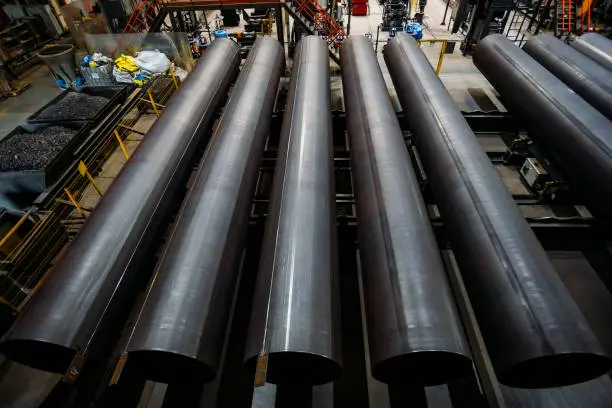
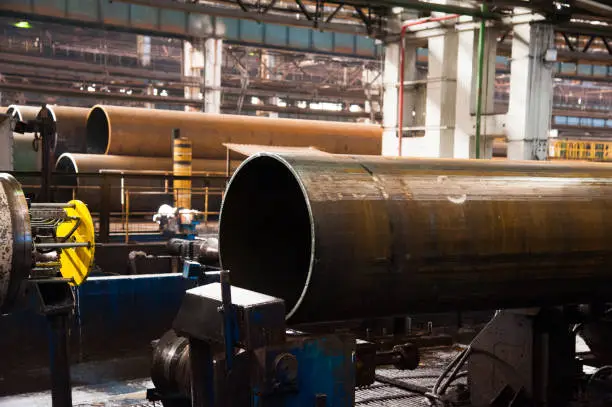
Understanding ASTM A691 1-1/4Cr EFW Pipe Material Specifications
Understanding what's below the surface is the first step in building a good pipe system. When purchasing managers and engineers look at chromium-molybdenum alloy pipes, the chemical makeup tells them whether the material will last for decades or break down quickly under operational stress.
Core Chemical Composition Requirements
The alloy chemistry of ASTM A691 1-1/4Cr material strikes a good mix between efficiency and cost-effectiveness. The carbon percentage is between 0.10 and 0.20%, which gives it enough strength without being too hard, which would make it impossible to weld. A chromium content of 1.20 to 1.50% forms a protective oxide layer at high temperatures that stops scaling and rusting up to 565°C. Adding 0.44-0.65% molybdenum increases the pipe's creep strength, which means it won't bend when it's loaded with high temperatures for a long time. A manganese content of 0.30 to 0.80% makes the steel harder and more tensile, and a silicon content of 0.5 to 1.00% removes oxygen during the steel-making process, resulting in cleaner steel with fewer impurities.
All of these carefully controlled parts work together instead of separately. The relationship between chromium and molybdenum makes grain boundaries stronger, which is important because they are weak spots when temperatures change. This grade works better than regular carbon steel in high-temperature hydrogen settings where methane formation and decarburisation could damage the structure because it is more metallurgically stable.
Mechanical Performance Standards
Tensile strength standards of 415–655 MPa make sure the pipe can handle high internal pressures while still leaving room for changes in operation. Most of the time, the yield strength is higher than 205 MPa, which is enough to keep the material from permanently deforming during pressure surges or thermal expansion. Minimum elongation values of 20% show that the material is flexible, which is important for bending and installation stress. After being heated, the hardness usually falls between 163 and 217 HBW, which is a good range for wear protection and weldability.
The creep break strength is what makes this grade unique in real-world situations. The material stays structurally stable for more than 100,000 hours at 500°C under design stress levels. This means that boiler feedwater systems and hydroprocessing units can rely on it for decades. Lower-alloy alternatives can't match this long-term performance trait without making walls much thicker and raising project costs by a lot.
Heat Treatment Impact on Material Properties
Post-Weld Heat Treatment (PWHT) changes the composition of welded joints in a basic way. When EFW is made, the fusion zone and the heat-affected zone go through quick heating and cooling processes that leave behind leftover stresses and martensitic structures that could break easily. Normalising these zones, which is usually done at 690–730°C for PWHT, relieves stress and softens any hard stages that form during welding. This method is required, not choice, because welds that haven't been treated are less strong and more likely to crack when hydrogen is added.
The normalising process smooths out the grain structure, making the ferritic-pearlitic microstructure the same all the way through the pipe wall. This evenness makes sure that the mechanical behaviour during service is reliable, and it gets rid of any weak spots that could cause cracks to spread. Controlled cooling rates after PWHT stop secondary hardening, which keeps the perfect mix of strength and flexibility that makes ASTM A691 1-1/4Cr pipe that was made correctly.
Performance Characteristics and Applications of ASTM A691 1-1/4Cr Pipes
When standard materials fail in tough working settings, chromium-molybdenum pipes show their real value. Understanding these performance qualities helps procurement managers choose the right material for each job, so they don't have to choose between too many requirements that drive up costs and too few requirements that cause materials to fail too soon.
Superior High-Temperature Corrosion Resistance
The presence of chromium makes an oxide film that is very strong and keeps growing at high temperatures. This protected layer stops scaling, which would otherwise make the walls thinner and make the surface rough, which speeds up erosion in gas streams moving quickly. The chromium-molybdenum matrix protects itself from hydrogen attack in hydrogen-rich environments like those found in hydroprocessing units. It does this by stopping atomic hydrogen from entering grain borders, where it would turn into methane and cause internal cracks.
This grade is good for sulfur-containing hydrocarbon streams that quickly rust carbon steel because it doesn't oxidise at temperatures close to 565°C. The addition of molybdenum stops the formation of sulphide scales, keeping the inside surfaces clean, which improves heat flow and reduces pressure drop. This resistance to corrosion directly leads to longer service life—often over 25 years in properly built systems compared to 10 to 15 years for carbon steel options that need to be replaced more often.
Thermal Stability Under Cyclic Loading
Power plants and chemical plants often go through cycles of starting up and shutting down, which put a lot of heat stress on the equipment. Because ASTM A691 1-1/4Cr has a low thermal expansion coefficient, it doesn't change size much when the temperature changes. This makes flanged connections and welded joints less stressed. Good thermal conductivity makes sure that the temperature is the same all the way across the pipe wall. This stops hot spots from exceeding design temperatures and starting the deformation process known as creep.
If you heat treat something correctly, you can make the microstructure very small, which makes it resistant to thermal stress. During repeated cycles of heating and cooling, this stable structure stops microcracks from forming, which weakens the material over time. This resistance to wear is especially useful for boiler auxiliary pipes that have to deal with daily temperature changes between room temperature and working temperature.
Typical Industrial Applications
Thermal power plants use ASTM A691 1-1/4Cr pipe for secondary lines that connect economisers, superheaters, and reheaters to the main steam systems. These systems work at temperatures between 480°C and 540°C and pressures of 10 to 17 MPa. At these temperatures and pressures, carbon steel would creep too much, and higher-alloy choices like 2-1/4Cr would be too expensive. Because it is cheap and has a good creep strength, the material is the standard for this use in the business.
The pipes that bring hydrogen-rich hydrocarbon feeds into and out of the hydrocracking reactor can handle temperatures up to 425°C. The anti-decarburization properties stop the surface carbon loss that makes carbon steel weaker in hydrogen service. The resistance to hydrogen embrittlement properties keep the toughness of the steel even when hydrogen gets inside it. Around the world, refineries use this grade for pipes in hydrotreating, reforming, and isomerisation units where higher hydrogen partial pressures call for better materials.
Chemical companies use these lines to move high-temperature syngas. At 400 to 500°C, mixtures of carbon monoxide and hydrogen would quickly carburise or decarburise carbon steel, based on the gas composition. In ethylene plants and ammonia synthesis loops, furnace transfer lines benefit from the thermal stability and rust resistance that keep the structure intact even when exposed to high temperatures for a long time.
Comparison: ASTM A691 1-1/4Cr Pipes vs Other Alloy Steel Pipes
To choose the best pipe grade, you need to know not only the absolute properties of the material but also its relative advantages over other specifications. By comparing them, this section makes it clear where ASTM A691 1-1/4Cr offers the best value.
ASTM A691 1-1/4Cr vs ASTM A335 P11
According to ASTM A387 Grade 11, both specifications use the same base material chemistry. The main difference is in the way the materials are made. A335 P11 is a type of seamless pipe that is made by hot cutting and rolling, while ASTM A691 1-1/4Cr pipes are made by welding plates together. In the past, seamless construction was better for vital high-pressure service, but now EFW technology with required PWHT makes welds that are just as reliable as seamless pipes.
In real life, the difference comes down to size availability and cost. Due to the complexity of the process and the waste of materials, seamless production becomes too expensive for diameters larger than 16 inches. ASTM A691 1-1/4Cr pipes are the only ones that can be used for large-bore headers, drums, and manifolds because they can be cheaply scaled up to 48 inches and bigger. Welded pipe also has better wall width options than seamless pipe because it can make walls that are thicker than what seamless mills can usually do.
For widely ordered sizes, the price difference can reach 20 to 35 percent, with welded pipe giving big savings while still providing the same performance. When thousands of meters of pipe are needed for big projects, this price edge becomes important. However, seamless pipe is still the best choice for smaller sizes (less than 6 inches), because it is easier to make.
Performance Trade-offs with Higher Alloys
The amount of chromium in ASTM A691 2-1/4Cr pipe is about twice as high, with 2.25% Cr and 1.00% Mo. This improved alloying gives it better high-temperature strength, allowing it to be used at temperatures up to 625°C instead of 565°C for ASTM A691 1-1/4Cr. The higher chromium content also makes 2-1/4Cr more resistant to rust and sulfidation, which makes it the best choice for superheater outlet pipes and other tough service uses.
The cost of materials goes up by 30–40% and welding becomes more complicated because of these performance gains. Because the alloy is more complex, it needs stricter control over the preheating and interpass temperatures during welding. This makes the process take longer and costs more in labour. For use in temperatures below 540°C, the extra cost of 2-1/4Cr doesn't add any usefulness, so ASTM A691 1-1/4Cr is the more cost-effective choice.
On the other hand, ASTM A671 or A672 carbon steel has lower initial costs, but walls that are much heavier are needed to get the same pressure ratings at high temperatures. The extra weight raises the prices of the support structure, the valves and fittings, and the labour needed to install them. When you look at the total cost of ownership, which includes repairs and replacements, the small extra cost for ASTM A691 1-1/4Cr metal usually pays for itself within 5 to 7 years of use.
Conclusion
The ASTM A691 1-1/4Cr pipe is made of chromium-molybdenum alloy steel with 1.20 to 1.50% Cr and 0.44-0.65% Mo. It has the perfect mix of high-temperature strength, corrosion protection, and cost-effectiveness for tough industrial uses. When you combine Electric Fusion Welding with the required post-weld heat treatment, you get large-diameter pipes that have the same mechanical qualities as seamless pipes but cost a lot less. Knowing these details about the materials, how they are made, and how well they work helps procurement professionals make confident specifications and smart sourcing decisions, which leads to successful projects with reliable, long-lasting piping systems.
FAQ
1. What distinguishes ASTM A691 1-1/4Cr from ASTM A335 P11 pipe?
The standards use the same base material chemistry, but ASTM A691 1-1/4Cr pipe refers to welded pipe made by Electric Fusion Welding of ASTM A387 Grade 11 plate, and ASTM A335 P11 refers to seamless pipe. A691 is more cost-effective for large diameters over 16 inches, where seamless production would be too expensive to be practical. Both standards give the same performance when made correctly and with the required PWHT.
2. Can ASTM A691 1-1/4Cr pipe handle continuous operation at 565°C?
This grade is made to be used continuously at high temperatures up to 565°C. It has a high creep breaking strength that keeps the structure intact for 100,000 hours of service. The chromium-molybdenum alloy doesn't oxidise or scale at high temperatures, and its mechanical properties stay the same even when heated and cooled many times, which is common in power generation and petrochemical applications.
3. What certifications should buyers request when procuring these pipes?
Ask for Material Test Certificates (MTC) according to EN 10204 3.1 that confirm the chemistry and mechanical properties, as well as x-ray reports that confirm the quality of the weld, hydraulic test certificates that prove the stability under pressure, and PWHT records that prove the right way to heat treat the material. Third-party inspections by organisations such as TÜV, Lloyd's, or Bureau Veritas give important projects even more quality assurance.
Partner with a Trusted ASTM A691 1-1/4Cr Pipe Manufacturer
Longma Group is the company you can trust for high-quality chromium-molybdenum metal pipe options. We have been making ASTM A691 1-1/4Cr pipes since 2003 and can produce more than a million tonnes of them every year. These pipes meet the strictest requirements for use in power plants, oil processing plants, and other industry settings around the world. Our many certifications, such as API 5L, ISO 9001:2015, and OHSAS 18001, show that we are dedicated to quality excellence. We offer full documentation packages, custom fabrication services, and anti-corrosion coatings that are made to fit the needs of your project. Get in touch with our expert team right away at info@longma-group.com to talk about your unique needs and find out how our low prices, reliable delivery, and high-quality products can help you make the best decisions about what to buy.