
One important question that comes up a lot when planning pipeline projects is what services are available for cutting and finishing API 5L X52 pipes? Precision cutting methods like mechanical sawing, plasma cutting, laser cutting, and water jet cutting are all part of the answer. They are used with high-tech anti-corrosion coatings like fusion bonded epoxy (FBE), three-layer polyethylene (3LPE), and other protective coatings. These services make sure that your X52 grade carbon steel pipes keep their shape, dimensions, and ability to fight corrosion for as long as they are used in demanding industry, oil and gas transportation, and water supply systems.
|
|
|
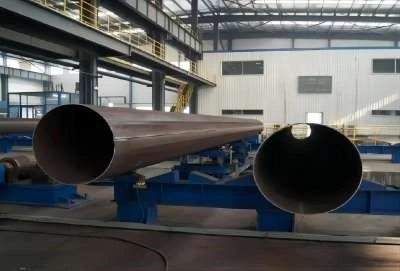
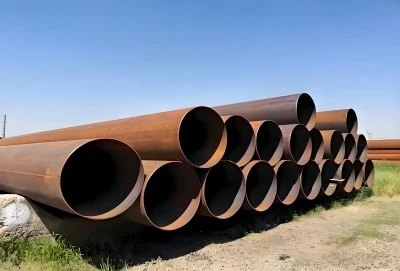
API 5L X52 Pipes for Cutting and Coating Services
To choose the right cutting and finishing services, you need to know what the material properties of API 5L X52 pipes are. This carbon steel pipe has a minimum yield strength of 360 MPa (52 ksi) and a minimum tensile strength of 460 MPa. This makes it much stronger than smaller grades while still being easy to weld. The chemical makeup usually has less than 0.28% carbon and more than 1.40% manganese. Trace elements like niobium and vanadium are added to make the grains smoother.
Material Specifications That Influence Processing Decisions
Longma Group makes API 5l X52 pipes in two different product specification levels: PSL1 and PSL2. PSL2 pipes have tighter chemical limits and must pass Charpy V-notch impact tests. We make pipes with outside diameters ranging from 1/2 inch to 80 inches and wall thicknesses ranging from SCH10 to SCH160, or 6.35mm to 59.54mm. These differences in size have a direct effect on the choice of cutting tools and the way coatings are applied. To get even covering, thicker-walled pipes need stronger cutting tools and longer coating cure times.
Every production method—ERW, HFW, LSAW, DSAW, and SSAW—has its own unique features at the weld seam that need to be taken into account when cutting. Technicians can make cuts more efficiently to avoid stress concentration points if they know whether the lines have horizontal or spiral welds. This technical understanding is what sets good service providers apart from those who damage pipes.
Application Requirements Driving Service Selection
Pipeline experts choose which cutting and sealing services to use based on the conditions their pipes will be used in. When building offshore platforms in the Middle East, surfaces must be able to withstand being exposed to saltwater and strong UV rays. In Australia, water supply systems need coats that are NSF-approved and won't let contaminants get into drinking water. Southeast Asian oil and gas pipeline projects need coating systems that can safely work in hot conditions with high humidity and temperatures above 40°C.
The grade X52 material itself is more resistant to rust than standard Grade B pipe, but when put correctly, protective coatings on the outside can increase the service life from decades to fifty years or more. Managers of plant equipment know that engaging in good coating services during the initial manufacturing process saves a lot of money compared to fixing problems or replacing equipment too soon.
Cutting Services for API 5L X52 Pipes: Methods and Best Practices
Precision API 5L X52 pipe cutting is the first and most important step in making a pipe. It determines whether the next steps, like welding, threading, or finishing, go easily or cause problems that cost a lot of money. The way of cutting must strike a balance between speed, accuracy, the quality of the edge, and the effect of heat on the base material.
Traditional and Advanced Cutting Technologies
For smaller lines up to 24 inches in diameter, mechanical sawing with carbide-tipped blades is still popular because it makes clean cuts with few areas damaged by heat. When cutting pipes with sharpened ends (BE) to get them ready for welding, this method works especially well. The cutting speed is average, taking between 2 and 5 minutes per cut based on the thickness of the wall. However, the cost of the equipment is still low enough for smaller manufacturing shops to afford.
Ionized gas heated to very high temperatures is used in plasma cutting technology to quickly cut through thick-walled X52 pipe in seconds instead of minutes. Plasma cutting is very fast, but project procurement managers should know that it makes a bigger heat-affected zone than mechanical chopping. Most of the time, the cut edge needs to be ground or machined some more to get the smooth finish needed for welding or sealing. Plasma cutting is most cost-effective for large jobs that need to make straight cuts in lines that are 12 to 60 inches in diameter.
When it comes to accuracy, laser cutting is the best choice. It can keep tolerances within ±0.5mm and causes very little thermal distortion. The narrow kerf width saves material, which is important when cutting expensive pipe with thick walls. When making pipe fittings or special connection profiles, the computer-controlled method lets you use complex cutting patterns. We use laser cutting for all of the diameters of the pipes we make, from small-bore 1/2-inch tubing to large-diameter 80-inch transmission pipe.
When you use water jet cutting, you actually cut with abrasive bits mixed in high-pressure water streams that reach 60,000 PSI. This cold-cutting method leaves no heat-affected zone, so the metal's original qualities are kept all the way to the cut edge. This is a feature that structural engineers like when they are cutting lines that will be used in important situations where the material qualities can't be compromised. The method works for all API 5l X52 pipe sizes and wall thicknesses, though walls that are thicker slow down the cutting process.
Quality Control During Cutting Operations
Longma Group's cutting services include a number of quality checks. Technicians check the material's certifications and look for surface flaws that could spread during cutting before they start cutting. It is watched that the cutting process has the right feed rates and cools down enough to avoid heat damage. Post-cut inspection includes checking the dimensions with precise measuring tools, looking at the quality of the edges visually, and dye penetrant tests if needed for important jobs.
Cutting correctly has a big effect on how well the finish works. Rough or broken cut edges create stress points where coats may crack or peel off when they are put through their paces. When coatings are being applied, sharp burrs poke holes in them. Through controlled grinding, we get rid of all burrs and sharp edges, making smooth changes that help the covering stick and keep the thickness even. Professional cutting services are different from simple pipe chopping because they pay attention to how the edges are prepared.
Coating Solutions for API 5L X52 Pipes: Enhancing Durability and Performance
Standard API 5L X52 pipe can be turned into corrosion-resistant infrastructure that can last for decades in harsh settings by using advanced coating methods to protect it from rust. When choosing a coating, many things are taken into account, such as the chemistry of the soil and water, the working temperatures, the possibility for mechanical wear, and the amount of UV exposure.
Fusion Bonded Epoxy (FBE) Coatings
For oil and gas transport, FBE coating is the usual way to protect buried pipelines. First, the pipe surface is heated to about 230°C. Next, thermosetting epoxy powder is applied. This powder melts, runs, and hardens into a protected film that is usually 300–500 microns thick. The covering that was made has great chemical resistance, adhesive, and cathodic disbondment resistance.
Our FBE coating line at Longma Group works with pipes ranging in diameter from 2 inches to 80 inches. The covering level is carefully controlled to meet the needs of each project. The covering hardens in just a few minutes, so work can be done quickly without sacrificing quality. Pipeline builders like FBE because it works with cathodic protection systems and can handle soil pressures during installation. The layer stays bendable enough that it doesn't crack when the pipe is slightly bent during backfilling.
Multi-Layer Polyethylene Systems (2PP, 3LPE, 3PE)
For jobs that need the most rust protection, multi-layer polyethylene coating methods work best. The three-layer polyethylene (3LPE) system has an FBE layer as the base, a copolymer glue layer in the middle, and a polyethylene shell on the outside that is usually 2.5–3.5 mm thick. This combined structure takes advantage of the best qualities of each material. FBE protects against corrosion and sticks to surfaces, the copolymer joins different types of materials together, and polyethylene provides strength and a shield against wetness.
Our 3LPE coating plant uses these systems on lines that are going to be used on offshore platforms, at river crossings, and in other difficult installations where damage from mechanical breakdown during installation is a big risk. The thick layer of polyethylene takes in the force of rocks and building tools hitting it, which would damage coatings that aren't as thick. Project managers like that 3LPE-coated pipes often don't need extra mechanical protection like concrete coating or sand padding, which lowers the cost of installation.
Cross-linked polyethylene is used instead of polyethylene in the 3PE version for the top layer. This version can withstand temperatures up to 80°C continuously. We suggest 3PE coating for systems that move hot water and return steam condensate, since regular polyethylene would soften and lose its strength in these situations.
Hot-Dip Galvanizing for Atmospheric Exposure
Coatings that can stand up to atmospheric rust and ultraviolet degradation are needed for structural uses like building marine platforms, bridges, and industrial pipes that are above ground. Hot-dip galvanizing joins zinc and steel together mechanically, making several layers of zinc-iron alloys below a zinc-only top layer. The layer is 70–100 microns thick and protects for decades without any upkeep. It does this by using both barrier protection and sacrificial cathodic protection.
Our galvanizing plant can handle pipes up to 18 meters long, so most projects don't need to be joined in the field. The surface is prepared by pickling, flux is applied, the piece is submerged in liquid zinc at 450°C, and the temperature is managed while it cools. It is very easy to stick and bend, and the coating stays on the pipe surfaces while they are being bent or flattened without cracking or splitting.
Coating Selection Strategy
To pick the best coating, you need to look at the whole work setting. FBE or 3LPE systems work well for buried pipes in clay soils that have a lot of salt in them. For use in saltwater offshore, 3LPE or special marine finishes are needed. Galvanizing or polyurethane systems are often used for above-ground installations in industrial settings. We help clients make this choice by using the knowledge we've gained from covering pipes for projects in over 90 countries with a wide range of chemical and weather conditions.
When choosing a coating, economic factors other than the initial cost of treatment are also taken into account. A luxury coating system that costs 15-20% more than basic protection can usually double or triple the service life, which means much lower lifecycle costs. Instead of trying to cut down on starting capital costs, plant machinery managers are using lifecycle cost analysis more and more.
Conclusion
Picking the right cutting and finishing services for API 5L X52 pipe types affects the success of a pipeline project, how long it works, and how much it costs over its entire life. Precision cutting methods like mechanical, plasma, laser, and water jet, along with modern protective covering systems like FBE, multilayer polyethylene, and galvanizing, make it possible to solve almost any pipeline problem. Quality service partners stand out by having the right certifications, expert staff with a lot of experience, strict quality control, detailed paperwork, and a track record of being able to deliver on time. Professional cutting and coating services are worth the money because they protect against rust better, require less upkeep, and last longer, which results in a lower total cost of ownership compared to cheaper processing options.
FAQ
Can coated X52 pipes withstand offshore marine environments?
When used overseas, coating methods for API 5L X52 pipes that are carefully chosen work very well. Three-layer polyethylene (3LPE) coats protect very well against saltwater corrosion, and the thick polyethylene layer on the outside prevents harm from mechanical forces during installation and use. We've provided 3LPE-coated X52 pipes for offshore platform projects in Southeast Asia and Australia, where the pipes are constantly exposed to saltwater and are sometimes hit by floating objects in the ocean. For the coating system to work, the surface must be properly prepared, the application must be managed, and full holiday detection testing must be done to make sure there are no flaws in the covering.
What customization options are available for bulk orders?
We change both the lengths of the cuts and the coating specs to fit the needs of each job. Cutting lengths range from 6 to 18 meters to suit different shipping and installation needs. Tighter tolerances on dimensions can be requested. The width, color, and design of the system change depending on the project and the surroundings. Our large production capacity lets us handle projects ranging from container loads to multi-thousand-ton pipeline building orders. The minimum order amounts depend on the diameter of the pipe and the complexity of the specifications. Contact us early on in the planning process to make sure that the production schedule works with your placement schedule.
How quickly can processed pipes be delivered?
Standard X52 pipes with standard cutting lengths and an FBE finish can be sent out seven days after the order is confirmed. Custom specs that need specific steel mill production or specialized finishing systems usually take 4 to 6 weeks, but this depends on how many are ordered and how busy the mills are at the moment. This can add two to six weeks, based on the port of arrival and the time it takes to clear customs. We suggest starting talks about procurement during the planning part of a project to make sure there is enough time for production and delivery.
Partner With a Certified API 5L X52 Pipe Manufacturer for Superior Processing Services
Longma Group has been making steel pipes for 20 years and also has full cutting and finishing skills. This makes us your one-stop shop for all your processed API 5L X52 pipe materials. Our API 5L and ISO 9001:2016 certifications show that we are dedicated to quality, and our ability to produce more than one million tons of goods each year means that we can help with projects of any size. Our skilled technical team can process your pipeline project in a way that meets strict international standards, whether it needs precise laser cutting, an advanced three-layer polyethylene finish, or full manufacturing services that include beveling and end treatment. Purchasing managers, pipeline engineers, and general builders in the Middle East, Australia, Southeast Asia, and North America depend on us for a steady supply, clear paperwork, and quick technical support. As a well-known API 5L X52 pipe supplier, we invite you to contact our team at info@longma-group.com to talk about your specific project needs and find out how our combined production and processing skills can make your supply chain more efficient while ensuring the highest quality products.