
When procuring API 5L X42 pipe for your EPC projects, the most critical checkpoints revolve around certification authenticity, dimensional accuracy, mechanical properties verification, and supplier reliability. This carbon steel line pipe, defined by its 42,000 psi minimum yield strength (290 MPa), serves as the backbone for oil and gas transmission systems across Middle Eastern, Southeast Asian, and South American markets. Successful procurement demands rigorous verification of API 5L PSL1 or PSL2 certification, comprehensive Material Test Certificates (MTC) compliant with EN 10204 3.1/3.2, and confirmation that 100% ultrasonic or radiographic testing has been completed before shipment.
|
|
|
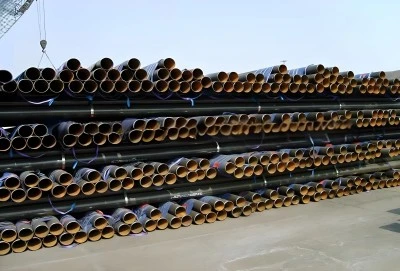
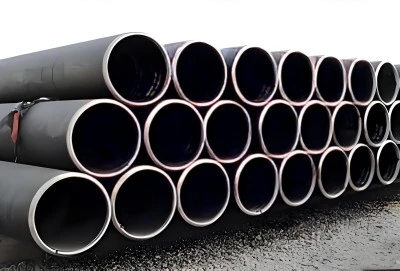
Understanding API 5L X42 Pipe Specifications
Figuring out how to use the technical language of line pipe specifications is the first step in making smart buying decisions. The X42 grade number means that the material has been carefully designed to strike a balance between economic efficiency and structural integrity. This makes it the best choice for low- to medium-pressure transmission uses.
Technical Properties and Dimensional Ranges
The way X42 material is made mechanically gives it measurable performance advantages. These pipes are about 20% stronger than Grade B options because they have a minimum yield strength of 290 MPa and a maximum tensile strength of 415 MPa. In real life, this means that engineers can ask for thinner wall plans with the same pressure ratings, which lowers the total project weight and shipping costs.
Modern factories can make tubes with outer diameters ranging from 1/2 inch to 80 inches (21.3 mm to 2032 mm) and wall thicknesses from SCH10 to SCH160 (6.35 mm to 59.54 mm). Standard lengths are between 6 and 18 meters, but special designs can still be made for certain uses. There are both plain ends for mechanical coupling systems and beveled ends for direct welding.
PSL1 Versus PSL2: Navigating Quality Tiers
Product Specification Level names make a big difference in how well materials work. PSL1 is the basic standard, good for general service situations where moderate quality controls are enough. Charpy V-Notch impact testing is now required by PSL2. There are also stricter limits on chemical makeup and maximum yield strength caps that stop materials from becoming too hard. For sites that are abroad, in sour service settings, or on projects that can't skimp on fracture toughness, these stricter rules must be followed.
The chemical makeup controls in PSL2 directly deal with worries about being able to weld. Lower carbon equivalents and stricter phosphorus/sulfur maximums lower the chances of cracking caused by hydrogen during fabrication. As soon as your project requirements say that the bad service must meet NACE MR0175 or ISO 15156, PSL2 with Annex H changes becomes the required minimum.
Essential Certification Requirements
Making sure that the API 5L certification is real avoids costly delays and liability risks. Real certifications have unique license numbers, identifiers for manufacturing facilities, and expiration dates that work with your project schedule. By comparing these details to the American Petroleum Institute's public licensing database, the risk of fake documents is eliminated.
In addition to API certification, qualifications for the ISO 9001 Quality Management System show that production is controlled in an orderly way. Having ISO 14001 and ISO 18001 certifications shows that a business cares about safety at work and the environment, which are two things that are looked at more closely during owner-operator qualification audits. Factory Production Control certificates give extra peace of mind for shipments going to Europe by proving that they meet the requirements for CE marking.
Comparing API 5L X42 Pipe with Other Grades and Materials
To choose the right material strategically, you need to know how to balance performance and cost across a wide range of specifications. Although higher grades have better features, they also come with higher prices that might not be worth it for your unique needs.
X42 Versus Higher Strength Grades
As you move up from grade X42 to grade X52, X60, or X65, the yield strengths get a little higher, which lets you lower the wall thickness or raise the working pressure. With the same safety factors, an X52 pipe with a yield strength of 360 MPa can handle about 24% more stress than an API 5L X42 pipe with the same yield strength. But this strength benefit comes at the cost of 8–15% more materials and maybe less flexibility.
The economics of the project favor X42 when operating pressures drop below the design limits that would require premium grades. For onshore water transportation networks, low-pressure distribution systems, and gathering systems, the cost of stronger materials is usually not worth it. The best place for X42 is in natural gas gathering systems and low-pressure crude oil transfer (usually below 1,200 psi), where choosing a provider based on price is the most important factor.
Welding Considerations Across Manufacturing Methods
The choice of manufacturing method has a huge effect on how well an installation works and how long it lasts. For diameters less than 24 inches, Electric Resistance Welded (ERW) pipes offer great consistency in size and lower costs. The inline heat treatment makes the weld joint normal, bringing back the same mechanical qualities as the parent material. High Frequency Welded (HFW) versions offer the same benefits but are more productive.
Longitudinally Submerged Arc Welded (LSAW) pipes are most common for large-diameter uses, especially for diameters bigger than 20 inches, where making seamless pipes is too expensive. Through two-pass processes, Double Submerged Arc Welding (DSAW) techniques make better welds, which makes them suitable for important offshore risers. Spirally Submerged Arc Welded (SSAW) pipes are reasonably priced for big sizes, but they can't be used in some situations because of worries about the direction of the helical seam.
Different ways of making things affect how well they work with field welding. At X42 strength levels, both ERW and LSAW pipes can be welded using standard methods, without any special preheating needs. Post-weld heat treatment is usually not required for walls thinner than 25 mm, unless they will be used in harsh conditions. Because the steps are so simple, installation times are shorter than with higher-alloy options.
Material Alternatives and Cost-Benefit Analysis
Stainless steel choices come up sometimes when people are arguing about which material to use, especially for places where corrosion is a problem. Austenitic grades like 316L don't need to be coated on the outside and can handle harsh soil chemicals, but they cost 400–600% more than carbon steel. Total ownership calculations need to take into account the removal of cathodic protection systems and predictions of longer service lives.
For most oil and gas transmission needs, coated carbon steel is the best choice because it lasts longer. Modern covering methods, like three-layer polyethylene (3LPE), fusion-bonded epoxy (FBE), or coal tar enamel, can extend the life of pipes by 30 to 50 years for less than 15% of their original value. When you combine the mechanical qualities of X42 with engineered coatings, you get the best option for projects that will be underground or underwater.
Making the Right Decision: What Matches Your Project Needs?
It's not just the properties of the material that go into specification choice; the working surroundings and total lifecycle costs must also be taken into account. The best choice weighs the costs of initial acquisition against the effectiveness of installation and the need for ongoing maintenance.
Aligning Material Grade with Operating Parameters
Calculations of the operating pressure are the main thing that drives the standard. Engineers figure out the lowest grades that are acceptable by using standard design equations that include diameter, wall thickness, yield strength, and any safety factors that apply. Under normal design rules, an X42 pipe with a wall thickness of 12.7 mm and a diameter of 24 inches can safely hold about 1,100 psi. This is enough for gathering systems and moderate-pressure transmission tasks.
Changing temperatures affects the choice of material by requiring it to be able to handle thermal expansion and be tough at low temperatures. According to PSL1 standards, API 5L X42 pipe material stays flexible enough down to about -10°C without needing extra impact tests. For projects that will be used in colder environments, PSL2 requirements with qualified Charpy testing at the lowest possible temperatures are needed.
Corrosive environment assessments decide if standard X42 is enough or if changes to the sour service are needed. Hydrogen sulfide levels above 50 ppm in wet situations set off NACE compliance requirements, which require controlled chemistry, form control of inclusions, and hardness limits. In some cases of carbon dioxide corrosion, programs to stabilize the pH level or better interior coats may be needed instead of replacing the materials.
Cost Versus Performance Optimization
In addition to base material prices, total cost modeling includes a number of other types of costs. Since shipping costs go up with the number of tons, walls that are thinner are more likely to be used when strength grades are higher and pressure ratings stay the same. Installation work hours go down when pipes don't have to be moved around as much, which creates secondary cost benefits for choosing the best wall thickness.
Choosing the right coating system can add 10 to 25 percent to the cost, but it can also increase the service life from 15 to 20 years for bare steel to 30 to 50 years for properly applied three-layer systems. This investment in protection pays off when the costs of repairs or replacement are three to five times the initial premium.
Accessibility for maintenance affects how long a material needs to last. Pipelines that go through remote or environmentally sensitive areas need to meet higher standards to reduce the chance of failure over the design life. On the other hand, routes that are easy to get to and have a tracking system in place may be able to handle normal grades with strict integrity management programs.
Strategic Supplier Partnership Development
Long-term ties with suppliers are more valuable than just the price of a single deal. Preferred source agreements make it easier to qualify for future projects by getting rid of the need for repeated checks and reviews of paperwork. Making promises to a lot of work on a lot of different projects makes it easier to get better prices and earlier production schedules.
Technical collaboration with manufacturing partners opens up chances to improve specifications. Suppliers with a lot of experience can find different ways to make things, change the dimensions, or find new ways to deliver goods that keep performance high while cutting costs. With this collaborative method, transactional relationships are turned into strategic partnerships that give businesses a competitive edge.
Conclusion
To successfully buy API 5L X42 pipe for difficult EPC projects, you need to pay close attention to the authenticity of the certification, the alignment of the specifications, and the reliability of the supplier. The verification process includes more than just looking over paperwork. It also involves learning about how things are made, doing staged acceptance testing, and building smart partnerships with suppliers. By focusing on whether the product meets the requirements of PSL1 or PSL2, making sure the measurements are correct, having a third party inspect the mechanical properties, and making sure that delivery dates are in line with project milestones, procurement professionals reduce risk and improve the overall cost-effectiveness of the project. The X42 grade continues to be a great choice for moderate-pressure transmission applications because it has the right amount of strength, weldability, and cost-effectiveness for the job.
FAQ
What certifications should I demand from API 5L X42 pipe suppliers?
Need valid API 5L licenses with numbers that can be checked, ISO 9001 quality system approval, and EN 10204 3.1 or 3.2 material test certificates for each heat. For projects that use sour service, you need to show that you follow NACE MR0175/ISO 15156. Third-party inspection certificates from SGS or Bureau Veritas add another level of verification by proving that the product meets the specifications through independent testing, in addition to the documentation provided by the maker.
Can X42 grade handle high-pressure natural gas applications?
Depending on the diameter and wall thickness, X42 material is good for moderate-pressure gas transmission and collection systems. It can usually handle pressures below 1,200 psi. For better strength, higher-pressure trunk lines usually ask for X52, X60, or X65 grades. The grade's suitability for a certain operating condition is found through pressure design calculations that take into account the diameter, wall schedule, design factor, and any relevant codes.
How do lead times vary among reputable suppliers?
Standard sizes and shapes from stock are shipped within 7 to 14 days, but custom sizes and shapes that need specific testing, heat treatment, or measurements take 30 to 45 days. Large-diameter LSAW pipes bigger than 36 inches may take 45 to 60 days to schedule and finish production. Adding a third-party review takes 5–10 extra days to plan for witness testing. Depending on the logistics route, international shipping can add 8 to 12 weeks to the delivery time across continents.
Partner with Longma Group for Certified API 5L X42 Pipe Supply
Our company, Longma Group, has been making API 5L X42 pipes for more than twenty years and is an expert in both ERW and LSAW production. Our factory has active API 5L certification that covers PSL1 and PSL2 specifications for the whole X42 grade range, and it can produce more than 1,000,000 tons of steel every year. We only buy high-quality raw materials from trusted Chinese mills like Shagang, TISCO, and Bao Steel. This way, the quality stays the same from one heat to the next. Chemical analysis, mechanical property verification, 100% acoustic inspection, and hydrostatic testing are just some of the many tests we can do. We also offer full paperwork packages that include ITP, MPS, and MTC certificates that meet EN 10204 3.1/3.2 standards. We help EPC companies with reliable supply chain solutions by offering 7-day delivery for basic items and shipping experience in over 90 countries around the world. You can talk to our expert team about your project needs and get full quotes that are made just for you by emailing info@longma-group.com.