
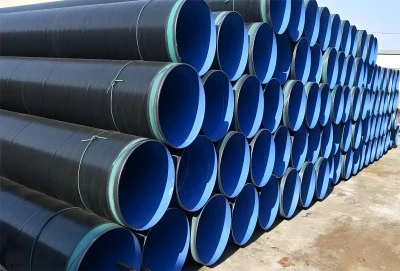
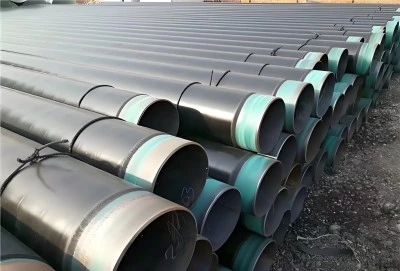
Choosing the correct protective coating is very important when pipeline projects are in areas with bad weather. Three-layer polyethylene (3PE) coated pipes have changed the way that pipelines are protected in several fields. This high-tech coating has three different layers: a fusion-bonded epoxy primer, a copolymer adhesive, and a polyethylene layer on the outside. The 3PE system on the polyethylene-coated steel pipe makes it resistant to corrosion, protects it from mechanical damage, and lasts a long time in harsh conditions where regular coatings fail.
|
|
|
Understanding 3PE Coating Technology and Its Key Parameters
The three-layer polyethylene coating technology is the result of decades of engineering progress. Each layer has its own job of protecting. The fusion bonded epoxy (FBE) primer sticks directly to the steel substrate, which protects against corrosion and cathodic disbondment. The copolymer adhesive layer makes sure that the FBE sticks well to the outer layer of polyethylene.
The performance of excellent 3PE systems is determined by key technological criteria. The thickness of the coating for the whole system is usually between 2.5mm and 4.0mm. The thickness of the polyethylene covering is between 1.8 mm and 3.2 mm. For most uses, the operating temperature range is from -40°C to +80°C. At room temperature, the impact resistance is at least 15 joules.
Longma Group strictly follows worldwide coating requirements including DIN 30670, ISO 21809-1, and AWWA C210. We put our polyethylene-coated pipeline systems through a lot of quality tests, such as tests of peel strength, impact resistance, and cathodic disbondment. These factors make sure that the device works well in a wide range of environments.
Core Benefits of 3PE Protection in Harsh Conditions
Pipeline corrosion prevention becomes paramount when infrastructure operates in aggressive environments. The 3PE coating system excels in multiple protection mechanisms. Chemical resistance protects against soil acids, alkalis, and salt water exposure. The polyethylene outer layer provides excellent resistance to stress cracking and environmental aging.
The fact that 3PE coatings can handle temperature changes sets them apart from other systems. The coating on underground pipelines needs to be able to handle changes in temperature throughout the year without losing its strength. The polyethylene layer stays flexible at low temperatures and doesn't weaken at high temperatures.
Protection against mechanical damage is very important during installation and use. Pipelines that aren't well safeguarded can be damaged by construction work, earth movement, and interference from other people. The strong polyethylene layer absorbs energy from impacts and keeps sharp items from getting through.
UV resistance extends service life for above-ground applications. While primarily designed for buried service, 3PE coated pipes often require temporary above-ground storage or installation. The stabilized polyethylene formulation prevents degradation from solar exposure.
Longma Group's Superior 3PE Coating Solutions
Our polyethylene coated steel pipe manufacturing process incorporates advanced quality control measures. We source premium polyethylene resins from leading global suppliers, ensuring consistent material properties. The application process utilizes automated spray equipment for uniform thickness control across the entire pipe surface.
Quality differentiation begins with our steel substrate preparation. Shot blasting achieves Sa 2.5 surface preparation standards, ensuring optimal coating adhesion. The FBE primer application occurs in environmentally controlled conditions with precise temperature and humidity monitoring.
Longma Group's coating standards exceed basic industry requirements. We achieve peel strength values consistently above 300 N/cm, significantly higher than the 100 N/cm minimum specified in most standards. Impact resistance testing demonstrates superior performance at -30°C, expanding application possibilities in cold climate regions.
Our comprehensive testing protocols include holiday detection, coating thickness measurement, and accelerated aging tests. Each batch receives material test certificates documenting all performance parameters. This documentation supports project approval processes and regulatory compliance requirements.
Optimizing Performance Through Proper Selection and Installation
Maximizing steel pipe corrosion protection requires careful consideration of operating conditions. Soil resistivity measurements guide coating selection decisions. Highly corrosive soils with resistivity below 1000 ohm-cm benefit from enhanced coating thickness specifications.
Installation best practices preserve coating integrity. Proper handling equipment prevents mechanical damage during transportation and placement. Trench preparation eliminates sharp stones and debris that could damage the coating. Backfill material selection ensures long-term protection from ground settlement and thermal cycling.
Cathodic protection system design must account for 3PE coating properties. The excellent dielectric strength of polyethylene coating reduces current requirements compared to bare steel systems. However, coating holidays or damage can create concentrated current demand, requiring careful anode placement.
Regular pipeline coating inspection maintains system integrity throughout the service life. Above-ground visual inspections detect UV degradation or mechanical damage. Subsurface inspection techniques including close interval potential surveys identify coating defects requiring repair.
Technical Specifications and Environmental Performance
Polyethylene-coated steel tube applications are used in many different fields, each with its own set of environmental problems. Transportation systems for oil and gas have to deal with exposure to hydrocarbons, changes in temperature, and tough soil conditions. Infrastructure for water delivery is exposed to chloride, bacteria, and seasonal ground movement.
Chemical resistance data demonstrates 3PE coating superiority. Prolonged exposure to petroleum products shows minimal swelling or property degradation. Salt water immersion tests confirm excellent performance in marine environments. Acid and alkali resistance supports applications in industrial settings with contaminated soils.
Thermal performance extends application possibilities. The coating maintains flexibility at temperatures down to -40°C, enabling Arctic pipeline construction. Upper temperature limits of 80°C accommodate heated product transportation and desert installations.
Adhesion properties ensure long-term bonding between coating layers and steel substrate. Cathodic disbondment testing demonstrates minimal coating separation under simulated service conditions. Hot water immersion tests verify adhesion stability over extended periods.
Applications Across Multiple Industries and Environments
Polyethylene coated steel pipe has evolved to meet demanding application requirements. Offshore platform construction utilizes 3PE coated pipes for seawater intake and fire protection systems. The marine environment creates severe corrosion challenges that traditional coatings cannot address effectively.
Water supply system applications benefit from the non-toxic nature of polyethylene materials. Drinking water safety regulations require coatings that do not leach harmful substances. 3PE systems meet NSF 61 standards for potable water contact applications.
Industrial manufacturing facilities employ anti-corrosion steel pipe for process fluid transportation. Chemical compatibility ensures reliable service with diverse industrial chemicals. The smooth polyethylene surface reduces friction losses and prevents deposit formation.
Bridge and building structure applications utilize coated pipes for fire protection systems, HVAC installations, and utility services. The aesthetic appearance of polyethylene coating eliminates the need for additional protective painting in many applications.
Choose Longma Group for Reliable Polyethylene Coated Steel Pipe Solutions
Leading polyethylene coated steel pipe manufacturers understand the critical importance of quality and reliability in extreme environments. Longma Group combines over 20 years of manufacturing experience with state-of-the-art coating technology to deliver superior pipeline protection solutions. Our global project experience includes challenging installations across the Middle East, Australia, and Southeast Asia. When your project demands proven performance and technical excellence, contact us at info@longma-group.com to discuss your specific requirements.
Conclusion
The superior protection offered by 3PE coating technology makes it the preferred choice for pipeline projects in extreme environments. The combination of corrosion resistance, mechanical protection, and long-term durability ensures reliable infrastructure performance. Proper selection, installation, and maintenance practices maximize the benefits of this advanced coating system. Longma Group's commitment to quality and technical excellence delivers the reliable solutions your projects demand.
FAQs
Q1: What makes 3PE coating superior to single-layer coatings?A: The three-layer system combines the corrosion resistance of FBE primer with the mechanical protection and chemical resistance of polyethylene. This combination provides superior performance compared to single-layer systems that rely on only one protection mechanism.
Q2: How long can 3PE coated pipes last in underground service?
A: Properly applied 3PE coatings can provide 50+ years of protection in typical soil conditions. Service life depends on soil corrosivity, operating temperature, and installation quality. Accelerated aging tests simulate decades of service to validate long-term performance.
Q3: Can 3PE coated pipes be used in high-temperature applications?
A: Standard 3PE coatings are suitable for continuous operation up to 80°C. Special formulations can extend this range to 110°C for specific applications. Temperature requirements must be specified during the coating selection process to ensure proper material selection.








