
The steel will rust if the zinc coating on galvanized mild steel pipe wears off, gets damaged, or wasn't thick enough to begin with. Zinc protects the steel by keeping it from getting too hot or too cold. However, it doesn't last forever. The steel underneath can be seen through any damage to the zinc, such as cuts, welds, salt, chemicals, wet storage, and contact with metals like copper. When there is white rust, it means that zinc is rusting. When there is red rust, it means that steel is rusting. This guide is meant to help buyers and engineers find problems quickly and pick pipes that will last.
|
|
|
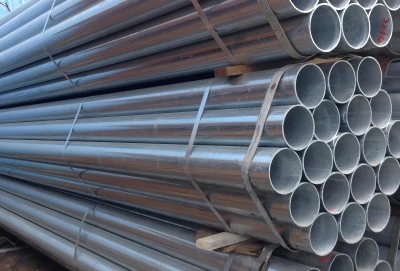
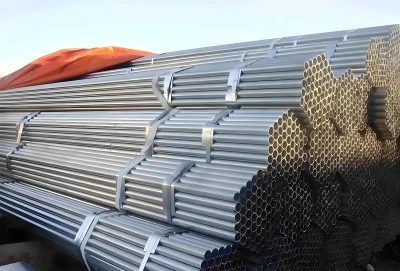
How Galvanized Mild Steel Pipe Is Protected Against Rust?
Before I talk about what went wrong, I want to talk about how the protection works.
Zinc Works as a Barrier and a Sacrificial Layer
Zinc keeps steel safe in two ways. The coating keeps water, oxygen, and other harmful things from getting to the steel in the first place. Second, when a scratch shows up on the surface, zinc rusts faster than steel. Zinc oxide, zinc hydroxide, and zinc carbonate are spread out in the air in a thin film. This movie stops more attacks. Steel is hot-dipped in a bath of molten iron-zinc alloy that is about 450°C (840°F). This keeps the zinc on the steel. Most paint chips away quickly, but that bond doesn't. It depends on the environment, the thickness of the coating, and how well it stays in place, so the coating specification is just as important as the steel grade.
Hot-Dip Galvanized vs. Pre-Galvanized Pipe
In different ways, the pipe doesn't rust for different amounts of time. After the pipe has been shaped and welded, it is dipped in zinc. The zinc covers the seam where the two pieces were joined and any other surface it touches. Pre-galvanized pipe is made from strip that is coated in zinc. Unless a repair coating is used, the weld seam and cut ends are not as well protected. Because of this, hot-dip galvanizing works best for projects that will be outside, wet, or in factories. For dry use inside, pre-galvanized pipe is better. The drawings should not just say "galvanized iron pipe," but should also show the steel grade, process, and standard. This way, each seller will offer the same item.
Standards That Define the Coating and the Pipe
This is how buyers and inspectors can compare things. Black and hot-dipped zinc-coated welded and seamless pipe is covered by ASTM A53. Hot-dip zinc coatings on steel products that have already been made are covered by ASTM A123. When Longma Group makes galvanized mild steel pipe, they follow some standards, such as API 5L, ASTM A53, EN 10210, and AS/NZS 1163. The coating standards on the list are AWWA C210, C213, CSA Z245.20, EN 10339, ISO 21809-1, DIN 30670, and DIN 30678. From 60.3 mm to 1422 mm across the outside, and from 6.02 mm to 50.8 mm thick on the inside. Because that range is so large, I make sure that the zinc needs and coating method for each size are met when I give the quote.
Why Galvanized Mild Steel Pipe Rusts: The Main Causes?
When something fails, there are a few issues that keep coming up.
Coating Damage, Thin Zinc, and Uneven Application
Zinc only keeps you safe when it's around. The steel is bare after a deep scratch, cut, or weld that burned off the coating. When things are the same, it wears through faster if the layer is thin or not even. The rate at which zinc is lost is steady, so a thicker coating will last longer. Zinc rusts slowly in most places. If you don't prepare the surface well before galvanizing, it can also leave holes. Weak spots are often found at weld seams, pipe ends, threads, and grooves. These parts of the specs should get more attention, and buyers shouldn't just take "galvanized" as a full description. They should ask for proof of the coating thickness.
Moisture, Chemicals, and Galvanic Contact
Water is what moves it the most. The ground stays wet because of water that doesn't drain away and condensation. When zinc is wet, it is lost more quickly. Soil that is acidic or basic, water that is salty or alkaline, air or salt from the coast used to melt ice all speed up the loss. Zinc corrosion is another risk. When copper, brass, or stainless steel touch zinc in a wet joint, zinc is the metal that wears away first because it is low on the galvanic order. Copper may not protect steel as well when it comes into contact with it in hot water systems above 60°C (140°F). If you use isolation gaskets or dielectric fittings, this risk is down.
Transport, Storage, and Field Fabrication
A lot of pipes rust before they are put in. Let wet bundles sit for a long time, especially ones that are wrapped in plastic that doesn't let air in. This will cause white rust to form on the surfaces. Zinc can be lost at contact points when pipe is dragged over rough ground, when bare chain slings are used, or when it is handled roughly during shipping by sea. The coating comes off when you cut, thread, or weld on the job site. Hot work also gives off zinc oxide fumes, so workers need to be able to get air flow and wear respiratory protection. A repair coating needs to be put on the area after the work is done. If you store the pipe off the ground with air flow and spacers between the layers, the zinc will stay in place until it is put in place.
White Rust vs. Red Rust: How to Identify the Problem
It helps to read the color because not all stains mean the pipe is broken.
What White Rust Tells You?
There is a white or gray powder on zinc that has white rust on it. There isn't much air flow where new galvanized surfaces stay wet for a long time, like inside a tight bundle. Light deposits are usually just for looks and can be wiped off. When the surface dries in a room with good air flow, it usually forms its own protective film. There is less zinc in the body when heavy, thick deposits show up. They bother me because of the coating, so I check to see how much is left. A coating thickness gage makes this check easy and quick. As per the terms of the purchase, the lot must be fixed or returned if there is less zinc left than what is needed for the project.
What Red Rust Means?
Red or brown rust is worse. That means that spot no longer has zinc and the mild steel is rusting. A zinc-rich coating can be used to clean and fix small red spots on a cut end, according to ASTM A780. Cracks, pits, flaking scale, leaks, or wall loss that you can see are all signs of more serious damage. This new steel also takes up more room than the old steel, so it can push against nearby coatings and make the next attack happen faster. For pressure lines and structural supports, that kind of damage needs to be looked at by an engineer. Usually, it's safer to replace them than to just paint them.
Inspection Methods That Confirm the Cause
It's good for inspections to get harder as they go along. First, check to see if it has any color, blisters, or pits. Next, measure the thickness of the zinc in several places, such as at the ends and close to the welds, using a magnetic or electromagnetic gage. First, ultrasonic testing is used to see how thick the wall is still. Next, hydrostatic or leak testing is used to make sure the pressure line can still hold. For new orders, reports from a third party and a Material Test Certificate are good places to start. These can then be used to compare later. There are things that Longma Group gives to QA teams like the Material Test Certificate, the Manufacturing Procedure Specification, and the Inspection and Test Plan. These help them compare readings from the field to the record kept in the factory.
How to Prevent Galvanized Mild Steel Pipe from Rusting?
Fixing things is more expensive than stopping them from happening in the first place.
Match the Coating to the Environment
To pick the galvanizing method and coating level, look at how much damage will be done. Pre-galvanized pipe can be used for dry service both inside and outside. In humid places like the outdoors, along the coast, or in factories, hot-dip galvanizing is usually needed. Write down the zinc mass or thickness, wall thickness, pipe standard, end finish, and connection type on the order form. There are two walls around it: one for rough ground and one for splash zones. That means galvanizing and then painting or polymering on top of it. For protection against corrosion, Longma Group offers hot-dip galvanizing, FBE, 2PP, 3LPE, and 3PE. This way, people can find all the details they need in one place to compare different coating systems for a single project.
Install and Store the Pipe Correctly
The coating the mill put on will last longer if placed on properly. Put wood blocks under the pipe to hold it off the ground. Leave room between layers for air to circulate around the bundles. Drag the stuff, use comfortable slings, and only cut or weld what needs to be done. Use dielectric unions or gaskets to separate copper and stainless steel pipe from galvanized pipe. That the pipes drain all the way through. Because any water that gets stranded in low locations causes the zinc loss to proceed quicker. Only grind back coating as far as welding needs to. Then, employ a zinc-rich coating that meets ASTM A780 for repair of cut ends, threads and welds. Fill the system up or shut it down now.
Avoid the Mistakes That Cause Early Rust
Such thoughts are inappropriate. Such thoughts lead to early failures. So it is not because something is “galvanized” that it won’t rust. The amount of coating has to be matched to the exposure. By looking at merely the pipe diameter, you could select the improper wall thickness, pressure rating or fitting match. If you don't protect them, rust will form on cut edges, threads, grooves, welds and other spots where corrosion usually starts. Do not put damp bundles into non-porous plastic. Do not mix incompatible metals without prior isolation. Do not neglect frequent inspection as these can too limit service life. Most of these faults can be detected by a short list at delivery, installation and frequent checks. But they're inexpensive and quick to cure.
Galvanized Mild Steel Pipe Specifications and Selection Guide
Know what made you want to buy before you decide to do so.
Specifications Buyers Should Compare
You can’t only compare quotes on price”. Check the outside diameter, length, weight, amount of coating, finish at the end and if it is welded or pieced together. Schedule 40 vs Schedule 80? What’s the difference? They varies in wall thickness, weight, flow area and prices. It is contingent upon the size. The outside diameter varies from 60.3 mm to 1422 mm. The wall thickness is from 6.02 mm to 50.8 mm. Find out if the prices include zinc, testing, packaging, freight and Incoterms. They could be per meter, piece or ton. Also make sure the ends are threaded, grooved, smooth surface or coating ready to weld will match your couplings and protect the coating.
Galvanized Pipe Compared with Other Materials
Find out how much the materials cost to buy and how much they cost over their whole life. At first, black steel is cheaper, but it needs to be painted or coated again soon after it is put in place. Stainless steel is better for tasks that need to be chloride-proof and keep things clean, even though it costs more. Even though PVC doesn't rust and isn't heavy, it can't handle being hit, heated, hit with UV light, or set on fire. When you connect copper directly to galvanized steel, you get a galvanic cell. Copper does work in some water systems, though. With galvanized mild steel pipe, this option is in the middle. Iron is strong, cheap, and easy to weld. It also protects against zinc. It can be used in many different industrial lines, such as fire safety, irrigation, building, and more.
Choosing the Right Pipe and Supplier for the Application
This choice is based on the use. To make sure the water is safe to drink, people who want to buy it should check the chemistry, the pressure, and the rules in their area. There are rules about the pipes and fittings that can be used for fire sprinkler work. Fertilizers, chlorides, and wet soil are all things that irrigation lines have to deal with. Handrails, scaffolding, and greenhouse frames need to be strong, have accurate measurements, be welded well, and have a finish that lasts. It has been making ERW and LSAW pipe since 2003. They can keep track of their goods from the raw materials to the finished goods and have customers in more than 90 countries. Steel from mills like TISCO, HBIS, and Baosteel is what we use. We are licensed under API 5L, ISO 9001, and ISO 14001 standards. Any provider will give you the same proof.
Conclusion
Zinc starts to rust on galvanized mild steel pipe when it is broken, too thin, or worn away by water, chemicals, or other metals. To protect the outside of the pipe, hot-dip galvanizing is usually better than pre-galvanizing because it covers the ends and welds them together. When zinc wears away, it shows up as white rust. When steel shows, it's red rust and needs to be fixed or replaced. You can slow down the damage by checking the coating's thickness, being careful when moving it, storing it in a way that lets air flow, letting it drain, and using zinc-rich repair coatings. It's less likely to break early if you compare standards, sizes, finishes, and paperwork, and make sure the pipe is right for the job. This gives you a more accurate picture of the lifecycle cost than just looking at the unit price.
FAQ
Can galvanized mild steel pipe rust?
Yes. The steel below shows through when zinc is scratched, worn down, or eaten away by water, salt, or chemicals.
How is white rust different from red rust?
If the rust is light and white, it's probably zinc corrosion that's only there to look nice. If you see red rust, it means that the steel is breaking down and needs to be fixed or replaced.
Is hot-dip or pre-galvanized pipe better?
Because zinc covers the seam where the two pieces were joined, hot-dip galvanized pipe can be used in factories, outside, and in damp places. Pre-galvanized pipe works best when it is dry and used inside.
How do I repair damaged galvanized pipe?
Get rid of any loose rust and clean the area. Then, follow ASTM A780 and put on a zinc-rich coating. Get new parts for the ones that have holes or wall loss.
What documents should I request from a supplier?
To keep track of things, you should ask for a Material Test Certificate, an Inspection and Test Plan, a Manufacturing Procedure Specification, and records of how thick the coating is.
Request a Galvanized Mild Steel Pipe Quote from Longma Group
Both ERW and LSAW are used by Longma Group to make galvanized mild steel pipes. With their API 5L certificate, they can keep track of their pipes from the time they are made to the time they are sold. Send an email to info@longma-group.com with the product's size, wall thickness, standard, coating needs, quantity, and where it needs to go. We'll get back to you with a quote and documents for the inspection that are just for your project. Visit longma-group.com to see what we sell and how we can help you.