
Materials for refinery projects need to be able to handle harsh working conditions while still being cost-effective and reliable over time. Electric fusion welded pipes made from fine-grain killed carbon steel plate, such as ASTM A671 CC60 pipe, are the best choice for service areas with air and lower temperatures. These pipes are made from ASTM A516 Grade 60 material, which makes them very tough and easy to weld. They also meet strict standards for pressure vessels. Because they don't break easily when temperatures change, they are essential for important refinery infrastructure where safety and performance must not be compromised.
|
|
|
Understanding ASTM A671 CC60 Pipe Specifications and Standards
Material Composition and Manufacturing Process
The base material for ASTM A671 CC60 pipes is ASTM A516 Grade 60 plate, which is a fine-grain killed carbon steel made especially for use in pressure situations. The controlled carbon content, which varies in thickness from 0.21% to 0.27%, makes the material easier to bond without compromising its structural stability. Manganese content, which is usually kept between 0.60% and 1.20%, makes materials tougher and more resistant to impact in harsh conditions. This chemical balance makes the material perfect for use in refineries, where temperature changes and mechanical pressures happen all the time.
Adding filler metal to the electric fusion welding (EFW) process used to make these pipes makes a lengthwise seam with the best weld joint efficiency. When it comes to large diameters, seamless options get too expensive, but EFW technology keeps the wall thickness and diameter tolerances the same while meeting quality standards for pressure vessels. This way of making things fixes the problem that buying managers often have when they have to choose large-bore pipe systems: cost versus performance.
Mechanical Properties and Performance Ratings
The lowest tensile strength of ASTM A671 CC60 pipes is 415 MPa (60 ksi), and the highest is 550 MPa (80 ksi). This gives a lot of safety gaps in pressure containment uses. The minimum yield strength of 220 MPa (32 ksi) makes sure that the material won't change shape permanently when it's under load. These mechanical properties stay the same at a wide range of temperatures found in refineries, from room temperature to temperatures that are slightly higher in process streams.
ASTM A671 CC60 is different from other grades because of its classification system, which sets the rules for non-destructive examination (NDE) and post-weld heat treatment (PWHT). Normalization and stress-relief treatments are used on Class 22 pipes, which are often used in refineries. These treatments improve the grain structure and make the pipes much more resistant to impact at lower temperatures. This heat treatment process changes the composition, making it tougher and harder, which directly affects how long it lasts and how reliably it works.
Dimensional Standards and Tolerance Requirements
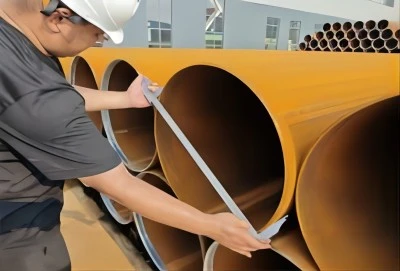
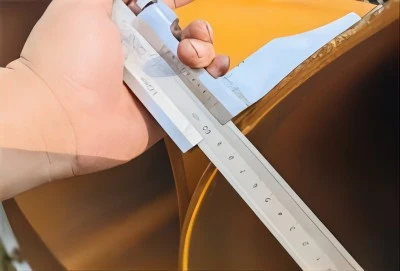
In industrial pipe systems, where field welding alignment affects how well the system is installed and how well the joints hold together, accuracy in measurements is very important. Out-of-roundness tolerances and wall thickness uniformity are strictly controlled during production to make sure that the parts fit together correctly and that welding doesn't cause any problems. When working with large diameters, these dimensional controls are very important because even small differences can cause big alignment problems during assembly.
ASTM A671 guidelines set tolerance limits that make sure they work with valves, fittings, and other system parts. This lowers the chance of having to make expensive changes in the field. It spells out the acceptable changes in diameter, wall thickness, length, and straightness, making it easy for buying teams to know what to take. Standardization makes it easier to check the quality of the work and lowers the chance of disagreements between suppliers and contractors while the project is being done.
Why ASTM A671 CC60 Pipes Are Ideal for Refinery Projects
Superior Toughness in Critical Applications
Refineries are always working in harsh conditions that push the limits of materials. Changes in pressure, temperature, and toxic surroundings test every part of the system. The fine-grain structure of the killed carbon steel used in ASTM A671 CC60 pipes makes them very resistant to brittle fracture, a type of failure that can have terrible effects in pressure piping. This toughness benefit is especially useful during starting and stop processes, when piping networks are put under a lot of thermal stress from sudden changes in temperature.
Impact resistance, which is shown by Charpy V-Notch testing, shows that the material can take in energy without breaking. This quality is important to refinery owners because it protects them from unplanned operating problems or outside influences. Because ASTM A671 CC60 pipes are tougher than ASTM A671 CB series types, they can handle lower-temperature service conditions that would damage less durable materials. This means they can be used in a wider range of processing units, from fluid catalytic crackers to hydrotreaters.
Cost-Efficiency Without Performance Compromise
Before we talk about the specific benefits, it's important to know how ASTM A671 CC60 pipes add value throughout the whole project lifecycle, from the time they are first bought to the years they are used.
Favorable Strength-to-Weight Ratio: The material is strong without having walls that are too thick, which saves money on both materials and labor. Less weight makes it easier to handle with the rigging tools that are available, and it also means that foundations aren't needed as much for pipe supports.
Competitive Pricing Structure: EFW pipes manufactured from carbon steel plate are much cheaper than seamless pipes or high-alloy alternatives. This is especially true for diameters over 16 inches, where seamless manufacturing is not cost-effective.
Extended Service Life: The mix of resistance to corrosion, mechanical strength, and fatigue resistance reduces the need for upkeep and increases the time between replacements, which lowers the overall cost of ownership by a large amount.
Simplified Fabrication Requirements: Better weldability cuts down on the complexity of the welding process and the need for post-weld heat treatment in field joints. This speeds up building plans and lowers labor costs.
These benefits to the economy directly lead to higher project returns, which help engineering companies complete refinery updates and additions within budget while still meeting safety and dependability standards. Established manufacturing processes make prices and supply more reliable, which is helpful for procurement managers who need to accurately estimate costs during the planning stages of a project.
Proven Performance in Demanding Environments
Refineries all over the world have tested and proven that ASTM A671 CC60 pipes work well in a wide range of situations, such as process piping, steam distribution systems, and product transfer lines. In hydroprocessing units, where environments high in hydrogen pose special problems, ASTM A671 CC60 pipes that have been properly specified have shown they can work reliably when combined with the right corrosion allowances and monitoring protocols. The material has been used successfully in atmospheric crude distillation units, which are places where temperature changes and thermal expansion happen all the time. This shows that it is suitable for use in important refinery service.
Technical Insights: Heat Treatment, Dimensions, and Tolerance Limits
Heat Treatment Effects on Microstructure
Normalization and stress-relief methods on Class 22 pipes change the microstructure of the material in basic ways that improve performance. To normalize, the pipe is heated to about 900°C, which is above the upper critical temperature where phase transformation takes place. It is then cooled slowly in still air. This thermal cycle smooths out the grain structure, creating a microstructure with uniform, fine grains that is stronger and more flexible than when the material was first welded.
When stress relieving is done at temperatures between 595°C and 650°C, it lowers the stresses that were put on the material during welding and forming. If you don't do anything about these internal stresses, they can lead to stress corrosion cracks or distortions during service. The stress-relief method also slightly softens the microstructure, which makes the balance between stiffness and hardness better. This mix of heat treatments is what makes ASTM A671 CC60 pipes work better than options that haven't been heated in places where thermal cycling or mechanical fatigue happens.
Quality Assurance Protocols
Before being shipped, each pipe is inspected carefully to make sure it meets the standards. Radiographic examination can show any problems inside the weld, like holes, slag spots, or a lack of fusion, that could affect the pressure stability. The higher classes need 100% RT to make sure that no flaws are missed. This gives procurement managers and project engineers faith in the quality of the weld.
Dimensional checks make sure that the acceptable limits for width, out-of-roundness, wall thickness, and length are being met. Subjective judgement is not needed because automated measurement systems provide concrete, traceable data. Chemical testing on each heat confirms that the makeup ranges given are met, and mechanical testing on samples from the finished pipe confirms that the tensile strength, yield strength, and bending qualities are correct. This thorough testing process, which is recorded in mill test certificates, is the technical basis for quality control and tracking materials.
Maximizing the Value of ASTM A671 CC60 Pipes in Refinery Projects
Installation Best Practices and Material Compatibility
To successfully add ASTM A671 CC60 pipes to refinery systems, it is important to make sure that they are compatible with the materials around them and follow the right welding techniques. When connecting ASTM A671 CC60 pipe to fittings, flanges, or equipment nozzles made from different grades, the welding process must take into account possible changes in carbon equivalent and hardenability. Preheating needs, temperature controls between passes, and heat treatment after the weld should all be in line with the joint material that is the least flexible.
The material is easy to weld, which is good for field welding procedures, but qualified welders and approved welding supplies are still needed. Welding procedure qualification records (PQR) that are specific to the base metal, thickness range, and welding method make sure that the stability of the joint meets or exceeds the mechanical properties of the pipe. Radiography or ultrasonic testing, as described in project quality plans, can be used to look at field welds without damaging them. This checks the quality of the work and finds any problems before the system goes into service.
Maintenance Strategies for Extended Service Life
The return on investment in piping infrastructure is highest when proactive maintenance plans are designed to work with the way the refinery works. Ultrasonic thickness measurement and other advanced techniques are used for regular inspections to find areas of corrosion or erosion before the wall thickness falls below the minimum acceptable levels. When these inspections are built into turnaround schedules, they allow for targeted repairs or replacements that keep operations from having to shut down without warning.
Monitoring tools for corrosion that keep an eye on process chemistry, flow rates, and temperature patterns can help figure out how fast things will break down and how often they should be inspected. When the process conditions change because of changes in the feedstock or the working parameters, the corrosion limits need to be looked at again to make sure the pipe system still has enough safety margins. This approach to planning maintenance that is based on data makes things last longer while keeping them safe and reliable.
Future-Proofing Refinery Infrastructure
New trends in the industry bring both problems and chances for plant workers and their pipe systems. Because of stricter environmental laws, processes have to be changed, which can change temperature profiles, pressure ratings, or environments that are corrosive. The inherent flexibility and strong mechanical properties of ASTM A671 CC60 pipes make them flexible when process conditions change, which means they don't need to be replaced as often.
As manufacturing technology keeps getting better, stability in quality keeps getting better, and production costs keep going down. Better inspection tools, like automated ultrasonic testing and digital radiography, can find smaller and smaller flaws, which boosts confidence in the integrity of the product. New developments in material science that look into microalloying strategies and improved heat treatment profiles could lead to even better toughness and corrosion protection while keeping the low cost of carbon steel.
Conclusion
The choice of piping materials has a direct effect on the cost of the refinery project, how safe it is, and how reliable it is to run. Fine-grain killed carbon steel used to make ASTM A671 CC60 pipe gives refining uses the toughness, weldability, and cost-effectiveness they need. Because ASTM A671 CC60 pipe has been used successfully in a wide range of process settings, comes in big diameters, and is made to known standards, it is the best choice for use in atmospheric and lower-temperature conditions. Successful procurement requires more than identifying the correct specification—it demands partnerships with manufacturers who possess the technical capability, quality systems, and commercial flexibility to support complex industrial projects. By understanding material properties, heat treatment effects, and inspection requirements, procurement teams and engineers make informed decisions that optimize lifecycle value while maintaining safety and compliance with international standards.
FAQ
1. Can ASTM A671 CC60 Pipe Be Used Beyond Refinery Applications?
These pipes can be used in a lot of different industries because they are so flexible. They are used in large-diameter transmission mains at municipal water treatment facilities because the material can withstand stresses from dirt loads and keep its internal pressure stability for decades. Power companies use ASTM A671 CC60 pipes in low- to medium-pressure steam cycles, particularly in heat recovery steam generators where thermal stability and fatigue resistance prove essential. Petrochemical pipeline operations move refined products and liquid gases at high temperatures where the material's resistance to brittle fracture ensures safe operation across diverse climates.
2. How Does CC60 Compare with Stainless Steel for Corrosion Resistance?
Stainless steel alloys are better at resisting corrosion in places that are very acidic or high in chlorides. However, ASTM A671 CC60 pipes are safe enough for many refinery uses when they are combined with the right corrosion allowances and protective coatings. When the diameter is big, the price difference between carbon steel and stainless steel gets big. For this reason, ASTM A671 CC60 is the practical choice when corrosion rates are still low enough to handle. External coatings like fusion-bonded epoxy (FBE) or three-layer polyethylene (3LPE) protect buried or exposed pipes from corrosion better, making them last longer in harsh environments.
3. What Are Typical Lead Times for Large-Diameter CC60 Pipes?
Delivery schedules depend on how much you order, what size you need, and how much the manufacturer can make. Standard sizes that are kept in stock by well-known makers may ship in four to six weeks. Lead times are extended to eight to twelve weeks for custom sizes or specs that need special heat treatment classes. Large projects involving more than a few hundred tons usually take three to four months from the time the order is confirmed until it is delivered. This includes getting the raw materials, making, testing, and coordinating transportation.
Partner with a Trusted ASTM A671 CC60 Pipe Manufacturer
Finding the right piping solution is only the first step to a successful refinery project. Working with a manufacturer that understands your technical needs and budgetary limitations is what makes the difference between a smooth execution and costly problems. Longma Group has been a top ASTM A671 CC60 pipe supplier for over twenty years, working with refineries around the world. Our factories are spread out over 230,000 square meters and make more than 1,000,000 tons of goods every year. They combine scale with precision to provide steady quality for projects of all sizes.
We only get our raw materials from the best steel mills in China, like HBIS, Bao Steel, and Shagang. This way, we can be sure that their chemical and mechanical properties meet international standards. Our wide range of certifications, such as API 5L, ISO 9001, ISO 14001, and factory production control certificates, show that we are dedicated to quality management and constant improvement. People in 90 countries trust our technical knowledge and reliable delivery performance to engineering contractors, procurement managers, and plant equipment experts.
We do more than just sell pipes. We also offer full fabrication services, such as welding, expanding, and end treatments. We can also apply anti-corrosion treatments like FBE, 3LPE, and hot-dip galvanizing that are specific to your project needs. The most strict quality control rules are met by our documentation packages, which include MTC, MPS, and ITP records. Email our expert team at info@longma-group.com to talk about the details of your refinery project and get a full quote. Visit longma-group.com to see all of our products and learn how our combined solutions make buying things easier and help projects get done faster.