
Zinc coated pipe is any steel pipe that has a zinc layer covering it. Most of the time, hot-dip galvanizing is used, which plunges steel into molten zinc. Galvanized pipe is the type that most people know about. What makes them different is the type of coating, how thick it is, how well it stops corrosion, how long it lasts, and how well it does its job. Hot-dip galvanized pipe can be used outside and in rough weather. When used inside, electrogalvanized or zinc-plated pipe is better because it is lighter. That's the end of it. Now I'll talk about how to write a clear specification and how Longma Group can help people who are buying projects.
|
|
|
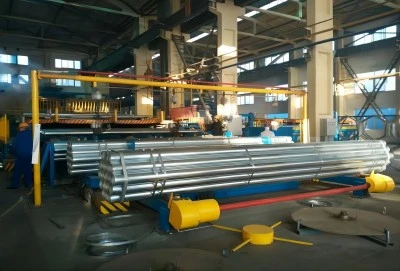
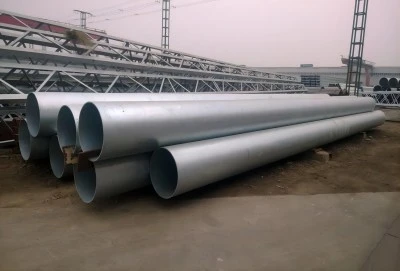
Zinc Coated Pipe vs Galvanized Pipe: Are They the Same?
What the Terms Mean?
Any steel pipe that has zinc on it to protect it is called a zinc coated pipe. A known process for galvanizing steel, most often hot-dip galvanizing, is used to make galvanized pipe. It's true that zinc coats galvanized pipe, but not everything zinc coated is hot-dip galvanized. There is zinc in both electrogalvanized and zinc-plated pipes, but they are made in different ways and are not the same thickness.
The zinc plate stands in for something else. If the steel gets scratched, the zinc close by rusts first and protects the steel. Before you compare quotes, you should make sure you know the type of coating, the thickness or mass of the zinc, the steel grade, the size, the standard, and the environment where the product will be used.
How Are Zinc Coated and Galvanized Pipes Made?
The first steps in production are to prepare the steel, shape it, weld it, and treat the seams. The piece is cooled, inspected, and finished with a process like threading or grooving after the zinc is put on it.
The metal is cleaned, pickled, fluxed, dipped in molten zinc, drained, and allowed to cool down. When the zinc comes into contact with the steel, it forms a coating that is stuck to it mechanically. It's fully immersive all the way to the edges and inside of things. When an electric current is used to deposit zinc, it usually makes a layer that is thinner and more even.
For quality assurance, you should look at the dimensions, the strength of the weld, the thickness of the coating, the condition of the surface, the mechanical properties, the end finishing, the packaging, and the ability to track the item. For project orders, I think you should get mill certificates and coating inspection reports.
Key Differences in Coating, Life, and Appearance
A lot of buyers look at these main differences:.
- Coating method and thickness: Hot-dip pipe has a zinc-iron layer metallurgically attached to it, which is usually thicker than the layer on electrogalvanized or zinc-plated pipe. If a thin coating is specified, the coating will wear through visibly sooner in rain, humidity, abrasion, or contact with dirt. In the purchase order specify minimum coating mass or thickness.
- Corrosion resistance and service life: Hot dipped galvanized pipe normally is superior in outdoor and harsh situations. Unfortunately, no coating name guaranties a certain number of years in all environments. Service life still depends on humidity, salt, chemicals, abrasion, and maintenance. Before you compare any prices, match the coating to the exposure.
- Appearance and dimensions: Electrogalvanized pipe offers a brighter, smoother surface and better dimensional control, making it suitable for indoor, appearance-oriented work. Hot-dip pipe is duller, often spangled, and the zinc added can influence fit at threads and joints, so confirm tolerances with your supplier before buying threaded or grooved ends.
Because of these differences, I use the name on a quote as a starting point instead of proof of quality.
Zinc Coated Pipe vs Other Common Steel Pipe Options
Black Steel, Stainless Steel, and Zinc Coated Pipe
Black steel pipe is less expensive at first and can be used inside, where it is dry. If there is water on it, it needs to be wrapped, painted, or have some other system in place to keep it from rusting. Steel that doesn't rust or react with chemicals is called stainless steel. It usually costs more at first. In comparison to many stainless steel options, zinc coated pipe offers better protection for carbon steel.
Hot-dip galvanized pipe is made of zinc and is often used for building, utility, and farming tasks outside. Electrogalvanized or zinc-plated pipe can be used inside or for light work. You should get technical datasheets and compare coating thickness, durability, dimensional control, finish, and lifecycle cost because market terms are different.
Benefits of Zinc Coated Pipe
Zinc coated pipe protects the steel substrate, reducing the need for maintenance. The American Galvanizers Association says that zinc rusts a lot less quickly than steel when it's not in use. Crews can cut, thread, groove, or put it together to make bigger structures because it comes in many sizes and can be made in many ways.
Be careful when you weld. So, crews need to make sure there is enough air flow and fix the area with zinc-rich paint or another approved method. It gives off fumes and burns off zinc. It is covered by ASTM A780 to fix things that way. It's also important how you store things. If you stack wet pipes too closely together, white rust can form. Make sure the pipes stay dry and have air flow.
Typical Applications
Zinc coated pipe is used to build fences, handrails, scaffolding, greenhouse frames, outdoor structures, mounting solar panels, utility lines, and approved fire safety systems. It's possible for rain, humidity, and fertilizer to damage greenhouse arches and scaffolding. Rust makes parts that hold weight less strong, so the zinc layer keeps it from happening.
Water lines should be more careful. Think about the chemistry of the water, how the materials are joined, and any rules that apply in your area. How things can be used underground depend on the soil's pH and how wet it is. In acidic soils, zinc breaks down quickly, so extra barriers like bituminous tape or polyethylene sleeves are often used. Since I work outside, I don't look for the best deal. I instead look at the quality of the hot-dip coating, how much it is exposed to the elements, the thickness of the walls, how they are packed, and whether they need to be fixed.
Zinc Coated Pipe Standards, Specifications, and Selection
Standards and Test Requirements
It depends on the market, the laws in the area, the type of product, and how it will be used. API 5L is for line pipe, and ASTM A53 is for black, hot-dipped zinc-coated, welded, and seamless pipe used in US projects. EN 10240 talks about coatings that are put on hot-dip galvanized steel tubes. Both ISO 1461 and ASTM A123 talk about making things with galvanized coatings.
Writing down the item's size, wall thickness, steel grade, length, coating method, minimum coating thickness or mass, surface finish, pipe ends, mechanical properties, packaging, and inspection is important if you want to buy something. The different ways to check coatings are magnetic, gravimetric, or microscopic. AsTM A90 talks about coating weight and ISO 2178 talks about how to measure magnetic thickness. You can ask for mill test certificates, coating reports, records of where the goods came from, and an inspection by a third party if you need to.
Longma Group Zinc Coated Pipe Data
Our zinc coated pipe complies with API 5L, ASTM A53, EN 10210, and AS/NZS 1163. The following coating standards are on the list: AWWA C210, AWWA C213, CSA Z245.20, EN 10339, ISO 21809-1, and DIN 30670 and 30678. The outside diameter is between 60.3 mm and 1422 mm, and the wall thickness is between 6.02 mm and 50.8 mm.
The steel we use comes from mills in China, like TISCO, BX Steel, Shougang, HBIS, and Bao Steel. From the raw materials to the finished pipes, we keep track of everything. We offer services to protect against corrosion, such as hot-dip galvanizing, FBE, 2PP, 3LPE, and 3PE. This means that the pipe and the coating can both be taken care of by the same company. That makes it harder for vendors to work together with EPC teams.
How to Choose the Right Zinc Coated Pipe?
There are four steps to take. If the service is going to happen outside or inside, first say so. Then, describe the temperature, humidity, salt, chemicals, soil contact, wear, and expected life. After that, choose the coating method and make sure that both the inside and outside surfaces are safe. Third, choose the diameter, wall thickness, pressure rating, frame strength, and connection type. The fourth step is to compare more than just the unit price. Look at the total landed cost and the lifecycle cost as well.
Then, give each supplier a score based on their production skills, experience with exporting, ability to make custom items, ability to be tracked, stock, minimum order quantity, delivery terms, and technical support. Most of the time, a supplier who responds with documents instead of promises makes your project less risky.
Zinc Coated Pipe Procurement, Cost, and Common Mistakes
What Drives Zinc Coated Pipe Pricing?
The cost of the steel itself, the coating process, the coating mass, the order quantity, fabrication, packaging, inspection, freight, duties, and destination charges are some of the things that determine the price. The landed price changes when you bring something into the US because of duties and port fees. Make sure that the quotes you get have clear delivery terms.
The price per ton helps you figure out how much to buy in bulk and put in a container and the price per meter helps you determine how to put something in place. If the two quotations don’t cover the same standard, steel grade, wall thickness and coating need, they won’t be very helpful. A lower figure doesn’t automatically indicate a better deal. Maybe a thinner coating, or less tight tolerance.
Writing a Complete Inquiry
If you ask them all the questions, they can provide you the perfect product recommendations and a correct quote. Please provide the standard, size, grade of steel, coating to be used, pipe ends, quantity, destination, documentation to be done, packaging and delivery date.
Questions to ask each supplier: Where do the goods come from? What guaranties do they offer? How long does it take to get them? Are they inspected? How are they kept safe while being shipped? It is important to move coated pipe, especially when sending big shipments by sea, because water and blows can damage the surface. Ask the supplier how they separate, protect, and air out the load. Also, find out how they fix any damage that is found when the load gets there. You can now look at offers that are about the same.
Common Purchasing Mistakes
What most people get wrong is that they think "zinc coated" always means "hot-dip galvanized." Other mistakes include comparing items that need different coatings, placing orders based only on nominal size, not caring about damage to coatings caused by cutting or welding, and accepting certificates that don't match the batch that was sent.
You will not have this happen to you. Write down how to coat the item in the order. All of the quotes should have the same sizes and standards. Take a look at the inside diameter and any tolerances. If the coating gets damaged while the parts are being made, you should either ask the supplier for finished parts or give them an approved way to fix them, like ASTM A780 practice. Check that the pipe you get matches the heat or batch number on each certificate.
Why Work with a Qualified Zinc Coated Pipe Manufacturer or Export Supplier?
Supplier Capability and Risk
It's up to a qualified manufacturer to do more than just get the steel and shape it. They also have to inspect it, pack it, and make sure it can be tracked. When there are fewer hand-offs, mistakes are less likely to happen. Custom diameters, wall thicknesses, cut lengths, threading, grooving, beveling, private labeling, or assemblies made from scratch are some of the other things that buyers can ask for.
It's also important to help with exports. Look for shipping and commercial papers, certificates of origin, inspection records, packing lists, and plans for how to load containers. See a supplier's factory, look at their certifications, get clear technical quotes, make sure their lead times are stable, see how well they package their products, ask for references from other projects or distributors you trust, and make sure their lead times are stable.
What Longma Group Provides?
Since 2003, they've been making ERW and LSAW steel pipe. We'll have made more than 1,000,000 tons of goods every year by the end of 2023. Our site is 230,000 square meters big. We sell to people in over 90 countries.
We have certificates for API 5L, ISO 9001, FPC, 14001 environmental management, and 18001 health and safety management at work, among others. In our files, we have the Material Test Certificate (MTC), the Manufacturing Procedure Specification (MPS), and the Inspection and Test Plan (ITP). On top of that, we can treat, weld, perforate, and expand the ends of mating connections.
Final Decision: Which One Should You Choose?
Hot-dip galvanized pipe is the ideal choice for anything that's going to get wet, be outside, be used for structural or utilities or be utilized for a long period. Electrogalvanized or zinc-plated pipe is better for indoor, light-duty work that is primarily about looks, won’t be exposed to much weather, and needs to be a set size. Black steel may be used in dry locations to be painted or lined. Stainless steel is good for unclean, corrosive, severe, chemical or process applications.
The final selection shall be determined based on its application, coating method, desired thickness of the coating, standards, manufacturing process, durability, and overall life cycle cost. If your project belongs in one of these categories, send us the specifics and we'll help you to find a good solution.
Conclusion
Most zinc coated pipes are galvanized, which is usually made by hot-dip galvanizing. The type of coating, the thickness, the resistance to corrosion, the service life, and the way the pipe looks are the main things that make them different. In general, hot-dip pipe lasts longer outside. Zinc coated pipe is a good middle ground material after looking at black steel and stainless steel. However, welding, cutting, storing, and moving it can damage the coating if you don't do it right. The first thing sound selection looks at is the service environment. The next things are documents, test methods, standards, and sizes. You can only compare prices if all the details are the same. Language that isn't clear and certificates that don't match the batch cause a lot of mistakes. The main idea is to make a list of the coating specs and steps, then compare each pipe and supplier to that list.
FAQ
Is galvanized pipe the same as zinc coated pipe?
Galvanized pipe is a form of zinc coated pipe. Check the steps to make sure that the hot-dip galvanizing process is what the zinc-coated item really is.
Which is better outdoors?
Most of the time, hot-dip galvanized pipe is better for use outside than zinc-plated pipe because its coating is thicker. You can still change the service life by the environment and the coating's quality.
Can I use it for water lines?
Sometimes. Before you say it, you should find out about internal corrosion, the chemistry of the water, the different ways to join things, and any local rules that might apply.
How do I choose coating thickness?
See if it fits the exposure and how long you think it will last. Then, write down on the purchase order the test method and the minimum thickness or mass.
Can you supply custom sizes?
Yes, as long as it's between 60.3 mm and 1422 mm across and 6.02 mm to 50.8 mm thick. You can send your specifications to make sure they are correct.
Request a Zinc Coated Pipe Quote from Longma Group
Longma Group, a manufacturer of zinc coated pipe, exports to more than 90 countries. Send an email to info@longma-group.com with the standard, grade, size, coating needs, quantity, instructions on where to deliver the goods, and when you need them. When they're done with your request, our team will send you a technical quote and the files your project needs. Visit longma-group.com to find out more about the item.