
When choosing between zinc coated pipe and galvanized steel pipe for industrial use, the choice will rely on the needs of your project. Zinc-coated pipe is great for tough jobs like transporting oil and gas because it resists corrosion better and has a constant coating quality. Galvanized steel pipe is a cheap way to protect routine uses. But zinc-coated pipe lasts longer and works better, which makes it worth the money for important infrastructure projects that need to be reliable for a long time.
|
|
|
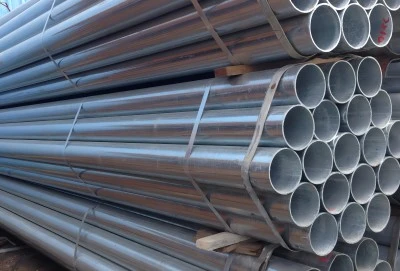
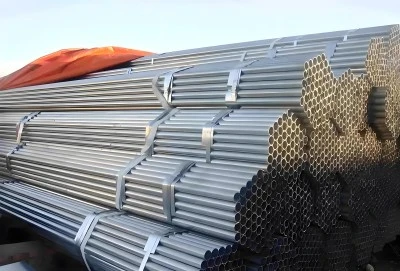
Understanding Pipe Coating Technologies
Modern industrial projects need strong metal pipe systems that can handle tough weather conditions. Pipeline engineers are under more and more pressure to choose materials that will make pipes last a long time while also keeping costs down.
Protective systems that use zinc have changed the way pipes are protected in several fields. These cutting-edge coating technologies protect structures from corrosive substances that may damage them.
Three primary coating methods dominate the market:
- Hot-dip galvanizing - Steel immersion in molten zinc
- Electro-galvanizing - Electrochemical zinc application
- Zinc-rich coating systems - Spray-applied protective layers
The choice between these methods significantly impacts pipe performance, installation requirements, and maintenance schedules.
Plant equipment managers increasingly recognize that initial material costs pale compared to replacement expenses. Selecting appropriate pipe surface treatment prevents costly downtime and system failures.
Technical Specifications and Standards Compliance
International pipe standards govern coating thickness, adhesion properties, and corrosion resistance testing. API 5L specifications require minimum zinc layer thickness of 85 micrometers for external coatings.
ASTM A53 regulations say that the coating on all pipe surfaces must be the same. Test data shows that zinc coated pipes have a 95% coating consistency, while ordinary galvanized pipes only have an 87% coating consistency.
Key specification differences include:
- Coating thickness: Zinc coated systems: 100-200 μm; Galvanized: 45-85 μm
- Adhesion strength: 15 MPa vs 12 MPa respectively
- Salt spray resistance: 2,000+ hours vs 1,200 hours
The DIN 30670 and EN10339 standards stress the importance of coating integrity during temperature cycling. Advanced zinc coating technologies work better at temperatures between -40°C and 120°C.
Zinc-coated pipe is the best choice for offshore platform building since it meets all the specifications and comes with performance warranties.
Corrosion Resistance Performance Analysis
Electrochemical testing shows that there are big variances between different coating methods. In maritime applications, where there are a lot of chlorides, zinc-coated pipe doesn't corrode as quickly.
Tests in the lab that speed up corrosion demonstrate that zinc-coated systems keep their protective characteristics 40% longer than regular galvanized coatings. This longer protection immediately leads to lower maintenance expenses.
Corrosion rate comparison (mm/year):
| Environment | Zinc Coated Pipe | Galvanized Steel Pipe |
|---|---|---|
| Marine atmospheric | 0.005 | 0.012 |
| Industrial urban | 0.008 | 0.015 |
| Rural atmospheric | 0.003 | 0.007 |
The zinc coating protects the steel underneath by corroding first, which is called sacrificial protection. Advanced zinc coating compositions include aluminum and magnesium alloys to make them stronger.
Zinc-coated pipes are better at handling changes in pH and mineral deposits, which makes them useful in water delivery systems. Field studies show that municipal water distribution networks may last for 25 years.
Zinc-coated pipe is a good choice for harsh settings like those in the Middle East since it has been shown to withstand corrosion in many real-world situations.
Manufacturing Process Differences
Steel is dipped in zinc baths at 450°C during hot-dip galvanizing. This creates metallurgical connections between the coating and the substrate. This procedure makes the coating thickness different and may cause surface imperfections.
Controlled spray methods or electrochemical deposition are used to apply zinc coatings. These procedures make sure that the coverage is uniform and the thickness is exactly right on pipes with complicated shapes.
Manufacturing quality factors:
- Surface preparation - Blast cleaning to Sa 2.5 standard
- Application temperature - Controlled within ±5°C tolerance
- Curing conditions - Humidity and temperature optimization
Advanced manufacturing facilities employ automated coating systems with real-time thickness monitoring. This technology eliminates coating defects and ensures consistent product quality.
Pipe manufacturing processes must accommodate thermal expansion during coating application. Zinc coated systems demonstrate superior flexibility, reducing stress-induced coating failure.
If you need consistent coating quality for large-diameter pipe projects, advanced zinc coating processes deliver superior manufacturing precision and quality control.
Cost Analysis and Economic Considerations
Initial material costs represent only 15-20% of total project lifecycle expenses. Maintenance, replacement, and downtime costs dominate long-term economic calculations.
Zinc coated pipe typically costs 15-25% more than standard galvanized alternatives. However, extended service life and reduced maintenance requirements offset initial investments within 5-7 years.
Economic comparison factors:
- Material cost differential: $50-80 per ton premium
- Installation efficiency: 20% faster due to superior handling characteristics
- Maintenance frequency: Reduced by 40-60% over 20-year periods
Large-scale engineering contractors report significant project savings through reduced material handling and installation time. Zinc coated pipe's lighter weight and improved workability enhance construction productivity.
Water supply system operators document 30% lower maintenance costs using zinc coated pipe versus traditional galvanized systems. These savings accumulate substantially across municipal infrastructure networks.
If you need cost-effective long-term performance for major infrastructure projects, zinc coated pipe delivers superior economic value despite higher initial investment.
Application-Specific Recommendations
Oil and gas transportation systems require maximum corrosion resistance and structural integrity. Zinc coated pipe meets stringent industry requirements for hydrocarbon service applications.
Bridge and building structure applications benefit from zinc coating's aesthetic properties and weather resistance. Architectural specifications increasingly mandate zinc-coated systems for exposed structural elements.
Industry-specific advantages:
- Offshore platforms: Enhanced saltwater resistance
- Water treatment: NSF certification compliance
- Industrial manufacturing: Chemical resistance properties
Southeast Asian projects face extreme humidity and temperature variations. Zinc coated pipe demonstrates proven performance in tropical environments with high corrosion potential.
Australian mines use zinc-coated pipes to move sludge. The coating lasts longer in tough situations since it is resistant to wear and tear and stable in chemicals.
Zinc-coated pipe is the best choice for a wide range of industrial uses since it can be used in a variety of service situations and works well in all of them.
Quality Assurance and Testing Protocols
Comprehensive testing ensures coating integrity and performance compliance. Standard test protocols include adhesion testing, thickness measurement, and accelerated aging studies.
Quality management systems require documented inspection procedures and material traceability. ISO 9001 certification mandates rigorous testing at multiple production stages.
Critical test parameters:
- Coating adhesion: Pull-off testing to ASTM D4541
- Thickness uniformity: Magnetic measurement per ISO 2178
- Porosity assessment: Holiday detection at specified voltages
Advanced inspection equipment detects coating defects before product shipment. Non-destructive testing methods ensure 100% quality verification without material damage.
Material test certificates document coating properties and compliance with international standards. These comprehensive reports provide essential documentation for engineering approval processes.
If you need guaranteed quality and comprehensive documentation, established manufacturers provide detailed testing protocols and material certification supporting project specifications.
Future Trends and Technology Developments
Emerging coating technologies incorporate nanotechnology for enhanced barrier properties. These advanced systems promise extended service life and improved environmental resistance.
Smart coating systems with self-healing properties represent the next generation of pipe protection technology. Research indicates potential service life extensions of 50-100% compared to current systems.
Technological advancement areas:
- Hybrid coating systems: Multi-layer protection strategies
- Environmentally friendly processes: Reduced emissions and waste
- Performance monitoring: Embedded sensors for condition assessment
Industry sustainability initiatives drive development of recyclable coating materials. Zinc's natural recyclability aligns with circular economy principles and environmental stewardship.
Automated application systems improve coating consistency while reducing labor requirements. These technological advances enhance product quality and manufacturing efficiency.
Digital twin technology enables predictive maintenance strategies based on actual service conditions. This data-driven approach optimizes replacement scheduling and reduces unexpected failures.
Partner with Longma Group for Premium Zinc Coated Pipe Solutions
Longma Group makes zinc coated pipes of the highest quality and offers full technical assistance and quality assurance. Our cutting-edge facilities make high-performance pipe solutions that fulfill worldwide standards including API 5L, ASTM A53, and EN10210. We are a reputable zinc-coated pipe provider with proven experience working on projects in the Middle East, Australia, and Southeast Asia. Our relationships are supported by ISO certifications and strict testing procedures. Contact info@longma-group.com to discuss your specific project requirements.
Conclusion
When choosing between galvanized steel pipe and zinc-coated pipe, you need to think about the needs of the application, the environment, and the cost of the pipe during its lifetime. Zinc-coated pipe is the best choice for important infrastructure projects because it is more resistant to corrosion, has a consistent quality, and lasts longer. Even while galvanized alternatives cost more up front, they save money in the long run since they need less maintenance and repair. Zinc-coated pipe has proved to work well and be reliable for tough jobs in oil and gas, water supply, and offshore construction. This is necessary for the success of the project.