
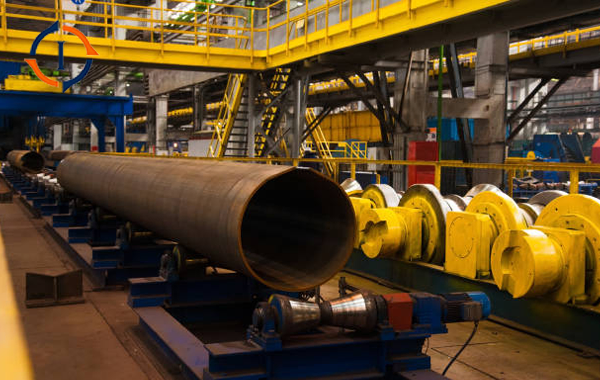
ISO 3183 L485 Pipe







ISO 3183 L485 Pipe for High-Pressure Oil & Gas Transmission – Premium Line Pipe Solutions from Hebei Longma Group
Hebei Longma Group manufactures high-performance ISO 3183 L485 Pipe with a minimum yield strength of 485 MPa, designed specifically for demanding oil and gas transmission systems. With over 20 years"experience in manufacturing and a production capacity of over 1,000,000 tons per year, we provide dependable line pipe solutions for over 90 countries across the globe. Our L485 pipes are available from 60.3mm to 2032mm (2"-80") outside diameters with wall thickness from 4mm to 100mm with full API 5L and ISO certifications to assure a consistent quality and project approval.
Understanding ISO 3183 L485 High-Strength Line Pipe
ISO 3183 L485 is a high strength carbon steel line pipe grade that is used in pipeline transportation systems in the petroleum and natural gas sectors. The'L485'name relates to its minimum yield strength of 485 MPa, making it theoretically similar to API 5L X70.
This class tackles important infrastructure issues including increased operating pressures without excessive wall thickness, decreased shipping costs, and an enhanced strength-to-weight ratio, and dependable performance in tough midstream conditions.
The pipe is produced to rigid international standards therefore providing structural integrity for long distance transmission applications where safety and dependability are non-negotiable criteria.
Technical Specifications & Mechanical Properties of ISO 3183 L485 Pipe
| Parameter | Specification |
|---|---|
| Standard | ISO 3183 |
| Grade | L485 (equivalent to API 5L X70) |
| Outer Diameter | 60.3-2032mm (2"-80") |
| Wall Thickness | 4mm-100mm |
| Minimum Yield Strength | 485 MPa (70,300 psi) |
| Minimum Tensile Strength | 570 MPa |
| Manufacturing Process | LSAW / ERW |
| Product Specification Level | PSL1 / PSL2 |
| Fastest Delivery | 7 Days |
Chemical composition including micro-alloying elements such as Niobium, Vanadium and Titanium. This leads to grain refining which improves both toughness and weldability for severe field environments.
The carbon equivalent limitations of the PSL2 grade pipes are more stringent, Charpy V-notch impact testing is required and the dimensional tolerances are tighter so that field welding is easier and the durability is better over the long term.
Key Advantages for Your Pipeline Projects
The advantages of our ISO 3183 L485 Pipe may be quantified for your energy infrastructure projects. A good strength-to-weight ratio means you may cut the wall thickness or the amount of steel used in the pipeline design, cutting material costs, without affecting safety.
The pipe is readily weldable using both automated and semi-automatic welding methods. That interoperability translates into faster build times for long-distance pipeline jobs where speed is money in your pocket.
You get a product with proven toughness and impact performance. The material performs well in tough settings including low temperature service locations for offshore pipeline applications or onshore transmission lines.
Chemical composition and mechanical qualities are strictly controlled to maintain constant performance across manufacturing temperatures. This dependability decreases your approval and procurement risk, especially for EPC and international oil & gas projects.
Complete compliance with ISO 3183 standards guarantees internationally recognized quality. Your projects benefit from smoother approval processes and broader acceptance among engineering consultants and regulatory authorities.
Primary Applications in Energy Infrastructure
Our pipes serve three critical high-stakes scenarios in the energy sector.
High-Pressure Cross-Country Gas Transmission: The superior strength-to-weight ratio enables construction of large-diameter pipelines that handle significant throughput with reduced material volume. You achieve higher capacity without proportional increases in steel costs.
Offshore Subsea Pipelines: L485 pipe withstands extreme external hydrostatic pressures and the corrosive nature of marine environments. When supplied in the 'M' (thermo-mechanically rolled) condition, it provides enhanced sub-zero toughness for deepwater installations.
Sour Service Environments: Manufactured to PSL2 standards with specific HIC and SSCC resistance, these pipes safely transport media containing hydrogen sulfide. This prevents catastrophic embrittlement in challenging oil and gas fields where safety cannot be compromised.
Comprehensive Quality Control & Testing
Quality assurance at Hebei Longma Group encompasses comprehensive inspection protocols throughout manufacturing. Our advanced testing equipment performs full-body Ultrasonic Testing for laminations and Radiographic Testing for weld seam integrity.
Hydrostatic testing is mandatory for every pipe, typically performed at pressures reaching 90% of the specified minimum yield strength. This validates the pipe's ability to handle operational stresses safely.
Mechanical testing includes Charpy V-notch impact tests for toughness verification at specific temperatures. Drop Weight Tear Testing evaluates ductile-to-brittle transition behavior, ensuring reliable performance across temperature ranges.
For PSL2 sour service orders, we conduct additional corrosion tests including HIC testing per NACE TM0284 and SSC testing per NACE TM0177. These procedures verify resistance to hydrogen-related cracking in acidic environments.
You receive complete documentation with every order, including Mill Test Certificates with full heat number traceability, chemical composition analysis, mechanical property test reports, and dimensional inspection records. We support third-party inspection by internationally recognized organizations such as BV, TUV, and Intertek.
Value-Added Services for Complete Solutions
Beyond manufacturing high-quality pipes, we provide comprehensive fabrication services tailored to your project specifications. Our capabilities include welding, perforating, expansion processing, and end treatment for connection requirements.
We offer multiple anti-corrosion solutions to extend pipe service life in challenging environments. Available coatings include hot-dip galvanizing, FBE coating, 2PP coating, 3LPE coating, and 3PE coating based on your environmental conditions and project specifications.
These value-added services reduce your need to coordinate multiple suppliers. You receive a complete pipeline solution from a single trusted source, streamlining logistics and quality control.
Raw Material Quality & Traceability
We source raw materials exclusively from reputable Chinese steel mills including Shagang, Shangang, TISCO, BX Steel, Shougang, HBIS, and Bao Steel. This ensures stable raw material quality and consistent mechanical properties across production runs.
Our full traceability system tracks every pipe from steel plate origin through manufacturing processes to finished product. You gain complete visibility into material provenance, supporting your documentation requirements for international projects and regulatory compliance.
Strict control over material performance and consistency means you receive predictable, reliable products that meet specifications every time.
FAQ
Q:Why should I choose the product for demanding oil and gas transmission projects?
A:You choose L485 because it delivers a minimum yield strength of 485 MPa, providing exceptional pressure resistance for large-scale transmission systems. It is widely accepted in international projects, reducing approval delays and procurement risks. The grade's excellent mechanical performance ensures long-term reliability in critical energy infrastructure where downtime costs are substantial.
Q:What quality controls should I require when purchasing products?
A:You should require comprehensive documentation including Mill Test Certificates with heat number traceability, complete chemical composition analysis, and mechanical property test reports covering yield strength, tensile strength, and elongation. For PSL2 requirements, verify that your supplier provides Charpy V-notch impact testing, hardness testing, stricter chemical composition control, and weld seam inspection for welded pipes. Insist on hydrostatic test reports and non-destructive testing records. Professional suppliers support third-party inspection, giving you confidence in product quality and complete traceability.
Q:How should I evaluate the product supplier before placing an order?
A:You should assess three critical areas: manufacturing capability, quality management systems, and project service capability. Verify the supplier's experience producing products in your required dimensions and PSL requirements. Look at their raw material inspection methods, forming and welding techniques, testing capabilities and total traceability systems. Check their manufacturing capability for on time delivery, availability of technical assistance and ability to offer further services like coating, third party inspection etc. A reputable supplier is a trusted partner that helps you decrease risks and manage costs on your pipeline building project.
Contact Us
Ready to source reliable ISO 3183 L485 Pipe for your next project? Contact us at info@longma-group.com to request quotations, technical documentation, or arrange factory inspections. We deliver quality you can depend on.








