
EN10210 pipe applications in civil engineering and building design encompass a wide spectrum of structural uses. These range from high-rise building frameworks to complex infrastructure projects. Specifically, these hot-finished structural hollow sections deliver exceptional load-bearing capacity. Additionally, they offer impressive dimensional accuracy. Therefore, they are indispensable for modern construction. Their superior mechanical properties and consistent quality standards have revolutionized the field. Consequently, engineers now approach structural challenges in contemporary building design and civil engineering projects with newfound confidence.
|
|
|
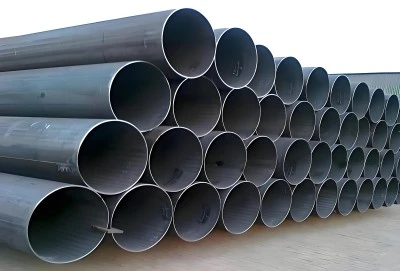
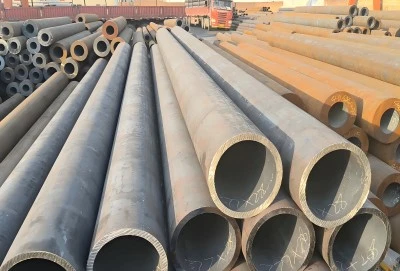
Understanding EN10210 Structural Steel Pipes in Modern Construction
The evolution of construction materials has led to remarkable innovations in structural engineering. EN10210 pipe stands at the forefront of this transformation. As an experienced professional in the steel industry, I have witnessed their impact firsthand. These structural hollow sections have become essential components. They are vital in today's most ambitious civil engineering projects.
EN10210 pipe represents a significant advancement in hot-finished structural steel technology. These hollow sections undergo rigorous manufacturing processes. This ensures consistent mechanical properties. It also guarantees dimensional accuracy. The standard covers both non-alloy and fine-grain steels. Furthermore, grades like S235, S275, and S355 offer varying strength characteristics. This variety allows them to meet diverse engineering requirements efficiently.
What sets these steel profiles apart is their exceptional versatility. They address complex structural challenges with ease. Engineers appreciate their predictable behavior under load. They also value their excellent weldability. Moreover, superior dimensional stability is a key benefit. The hot-finishing process creates a smooth surface finish. Simultaneously, it maintains tight tolerances. These factors are crucial when precision matters most in construction applications.
Core Applications of EN10210 Pipes in Civil Engineering Projects
Building Framework SystemsModern building construction relies heavily on EN10210 pipe. Builders use them to create robust framework systems. These hollow sections excel in high-rise construction. In such projects, weight optimization is paramount. However, strength cannot be compromised. The circular and rectangular profiles distribute loads efficiently throughout the structure. Consequently, this reduces material usage. It maintains structural integrity at the same time.
In commercial building projects, these steel tubes serve as primary structural elements. They often function within moment-resisting frames. Their hollow design allows for internal utility routing. This feature maximizes usable space. It also minimizes construction complexity. Furthermore, the consistent mechanical properties ensure predictable performance. This holds true under various loading conditions, ranging from wind loads to seismic forces.
Bridge Construction and Infrastructure
Bridge engineering has embraced EN10210 pipe. Engineers value their exceptional load-bearing capabilities. This applies to both compression and tension applications. These structural components form critical elements in truss systems. They are also vital in arch structures and cable-stayed bridge designs. The hollow sections' favorable strength-to-weight ratio is particularly valuable. It helps in long-span applications where minimizing dead load is essential.
Infrastructure projects benefit from corrosion resistance properties. Properly treated EN10210 pipe withstands harsh conditions effectively. When combined with appropriate protective coatings, these steel profiles provide decades of reliable service. They perform well even in challenging environmental conditions. Additionally, their dimensional stability ensures that critical connections maintain alignment. This remains true throughout the structure's service life.
Industrial Facility Construction
Heavy industrial construction demands robust materials. These materials must withstand extreme operational conditions. EN10210 pipe meets these requirements admirably. It does so through its robust mechanical properties. It also resists deformation under sustained loading. Manufacturing facilities rely on these structural elements. Power plants and processing installations use them too. They serve as equipment support frameworks, conveyor systems, and building enclosures.
The fabrication flexibility of these steel tubes allows for complex geometries. Such shapes are often required in industrial applications. Fabricators can incorporate custom end treatments easily. They can also add welded connections and integrated mounting systems. This happens during fabrication. Consequently, it reduces field installation time. It also improves overall project efficiency significantly.
Stadium and Arena Structures
Large-span recreational facilities showcase the architectural potential of EN10210 pipe. These hollow sections enable the creation of dramatic roof structures. They also support systems that span significant distances without intermediate supports. The clean lines achievable with these profiles contribute to aesthetic appeal. Simultaneously, they provide necessary structural performance.
The dynamic loading conditions in sports facilities require specific materials. These materials must have excellent fatigue resistance. EN10210 pipe demonstrates superior performance under cyclic loading. This ensures long-term structural reliability. It holds up even under varying crowd loads and environmental stresses.
Offshore Platform Construction
Marine construction presents unique challenges. EN10210 pipe addresses these through structural reliability. Weldability is another key factor. Offshore platforms require materials that withstand harsh marine environments. They must provide dependable performance over extended service periods. These steel profiles form essential components. They are found in jacket structures, deck framing, and equipment support systems.
The predictable welding characteristics enable confident field fabrication. This is crucial in challenging offshore conditions. Quality control procedures ensure integrity. Critical connections maintain their strength despite exposure to saltwater. They also withstand temperature variations and dynamic wave loading effectively.
Transportation Infrastructure
Modern transportation systems increasingly utilize EN10210 pipe. Applications range from pedestrian bridges to major highway interchanges. These structural elements provide strength and durability. This is required for infrastructure serving growing populations. At the same time, safety and reliability standards must be maintained.
Railroad infrastructure benefits particularly from fatigue resistance. Bridge structures and signal gantries use these profiles. Platform canopies constructed with EN10210 pipe demonstrate excellent long-term performance. They handle repetitive loading from passing trains with ease.
Architectural Support Systems
Contemporary architecture often features complex geometries. Innovative designs challenge traditional construction methods. EN10210 pipe enables architects to realize ambitious visions. Their structural versatility allows for creativity. Their aesthetic potential is also high. Curtain wall systems incorporate these hollow sections. Decorative elements and sculptural features use them too. This achieves both functional and visual objectives.
The clean appearance of hot-finished surfaces reduces the need for additional treatments. This applies to exposed applications. This characteristic makes EN10210 pipe attractive. It is perfect for architectural projects where structural elements remain visible. They become an integral part of the design intent.
Key Advantages of EN10210 Pipes in Construction Applications
The widespread adoption of EN10210 pipe in civil engineering stems from a comprehensive advantage package. These structural elements deliver consistent quality. Engineers can rely upon them for critical applications. The standardized manufacturing process ensures excellence. Mechanical properties meet or exceed specified requirements. Consequently, this reduces uncertainty in structural calculations.
Dimensional accuracy represents another significant benefit. This is particularly true in projects requiring precise fit-up. Prefabricated components benefit greatly. The tight tolerances achievable with hot-finishing processes minimize field adjustments. Therefore, this accelerates construction schedules. It also reduces costs.
Weldability characteristics make these pipes valuable. This is especially true in complex fabrication scenarios. The controlled chemistry of EN10210 pipe materials enables high-quality connections. The fine-grain structure also contributes. Fabricators can use standard procedures and common consumables. This compatibility reduces training requirements. It also lowers equipment costs.
The hollow section geometry provides excellent structural efficiency. It delivers a high moment of inertia relative to material weight. This characteristic proves valuable in many applications. Specifically, it helps where minimizing structural weight reduces foundation requirements. Ultimately, this lowers overall project costs.
Material Properties and Performance Characteristics
EN10210 pipe exhibits impressive mechanical properties. These make them suitable for demanding structural applications. The minimum yield strength values vary. S235 offers 235 MPa. S275 provides 275 MPa. S355 delivers 355 MPa. These grades provide engineers with options. They can optimize designs for specific loading conditions.
Impact resistance properties ensure reliable performance. This applies under dynamic loading conditions. The specified Charpy V-notch values guarantee toughness. The material maintains its characteristics even at reduced temperatures. This is crucial for structures exposed to varying climatic conditions.
The hot-finishing process creates a fine-grain microstructure. This contributes to superior mechanical properties. It also improves weldability. This manufacturing method produces excellent surface finish quality. Consequently, it reduces preparation requirements for protective coating applications.
Fabrication and Installation Considerations
Successful implementation of EN10210 pipe requires knowledge. One must understand their fabrication characteristics. Installation requirements are also important. The materials respond well to standard cutting. Machining and forming operations are also straightforward. Conventional equipment and procedures work effectively.
Welding procedures follow established practices. Proper preheat is sometimes necessary. Post-weld heat treatment may also be required. The controlled chemistry minimizes the risk of welding defects. It ensures that joint properties match the base material. Sometimes, they even exceed it.
Quality control during fabrication is vital. Installation also requires strict monitoring. This ensures that finished structures meet design requirements. Non-destructive testing methods verify weld quality. They also confirm dimensional compliance throughout the construction process.
Environmental Impact and Sustainability
Modern construction emphasizes environmental responsibility. Resource conservation is also a priority. EN10210 pipe contributes to sustainable building practices. Their recyclability is a key factor. Their long service life is another. The steel industry is committed to reducing environmental impact. This commitment extends throughout the product lifecycle.
The structural efficiency of hollow sections reduces material consumption. This compares favorably to alternative structural systems. This efficiency translates into reduced environmental impact. This applies during both manufacturing and transportation phases.
Energy-efficient manufacturing processes help too. The use of recycled steel content further enhances the profile. These factors make EN10210 pipe an attractive choice. Projects pursuing green building certifications prefer them. They help achieve environmental performance goals.
Partner with Longma Group for Premium EN10210 Pipe Solutions
Longma Group stands as your trusted EN10210 pipe manufacturer. We deliver exceptional structural steel solutions. Our products serve demanding civil engineering projects worldwide. Building design projects also benefit from our expertise. Our comprehensive manufacturing capabilities are top-tier. Combined with rigorous quality control systems, we ensure excellence. Every pipe meets the highest standards for structural applications. Contact our experienced team at info@longma-group.com. Discuss your specific project requirements today. Discover how our premium EN10210 pipe products can enhance your construction outcomes.
Contact Longma
EN10210 pipe has transformed modern civil engineering. It has also revolutionized building design. This is due to an exceptional combination of strength, versatility, and reliability. These structural hollow sections enable engineers to create innovative solutions. Architects also benefit when addressing complex construction challenges. Safety and performance standards remain high. From towering skyscrapers to sprawling infrastructure projects, EN10210 pipe proves its value. It remains an essential component in contemporary construction. Its proven track record speaks for itself. Ongoing technological improvements ensure its continued importance. It will shape the built environment of tomorrow.
FAQs
What are the standard sizes available for EN10210 pipes?EN10210 pipe is available in a comprehensive range. Sizes meet diverse engineering requirements. Outer diameters typically range from 21.3mm to 508mm. Wall thicknesses range from 1.8mm to 40mm. The standard provides specific dimensional tolerances. It also outlines manufacturing requirements for each size category. This ensures consistent quality across the product range.
How do EN10210 pipes compare to other structural steel options?
EN10210 pipe offers superior dimensional accuracy. The surface finish is also better than many alternatives. The hot-finishing process creates consistent mechanical properties. It also improves weldability characteristics. The hollow section geometry provides excellent structural efficiency. This often enables lighter designs compared to solid steel sections.
What protective coatings work best with EN10210 pipes?
Various protective coating systems are compatible. These include hot-dip galvanizing. Organic coatings work well too. Multi-layer systems are also an option. The smooth surface finish provides an excellent substrate. It ensures good coating adhesion. Proper surface preparation ensures optimal coating performance. It also extends service life.
Can EN10210 pipes be used in seismic zones?
Yes, EN10210 pipe is well-suited for seismic applications. However, it must be properly designed and detailed. The ductile behavior provides excellent energy absorption. This is crucial during seismic events. Reliable welding characteristics enable robust connections. These are required for seismic force-resisting systems.
What quality control measures ensure EN10210 pipe reliability?
Manufacturing quality control includes chemical analysis. Mechanical testing is also standard. Dimensional verification is performed. Non-destructive testing is part of the process. Each production lot undergoes rigorous testing. This verifies compliance with standard requirements. Traceability systems track materials. This applies from raw steel through finished products.
How do transportation and handling affect EN10210 pipe quality?
Proper transportation and handling maintain quality. Protective packaging prevents damage during shipping. Appropriate storage conditions preserve surface finish. They also maintain dimensional accuracy. Careful handling procedures minimize the risk of deformation. They prevent surface damage that could affect performance.








