
When sourcing specialized piping solutions for high-temperature and high-pressure industrial operations, buyers need trusted partners who combine technical expertise with manufacturing excellence. As a leading ASTM A691 3Cr pipe supplier in China, Hebei Longma Group Limited has been delivering premium electric fusion welded alloy steel pipes since 2003. With over 1,000,000 tons annual capacity, extensive certifications including API 5L and ISO 9001, and proven experience across 90+ countries, we provide the reliability and quality that engineering contractors and project managers demand for critical infrastructure projects.
|
|
|
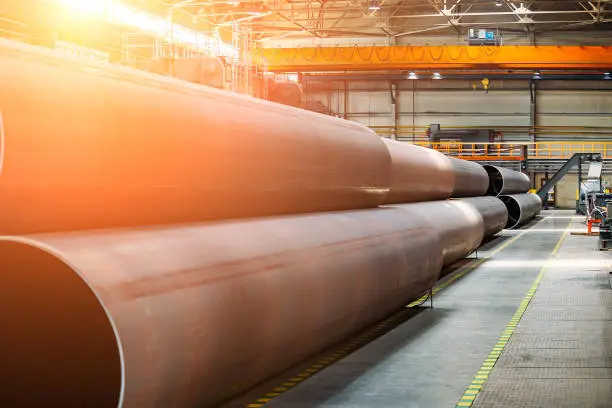
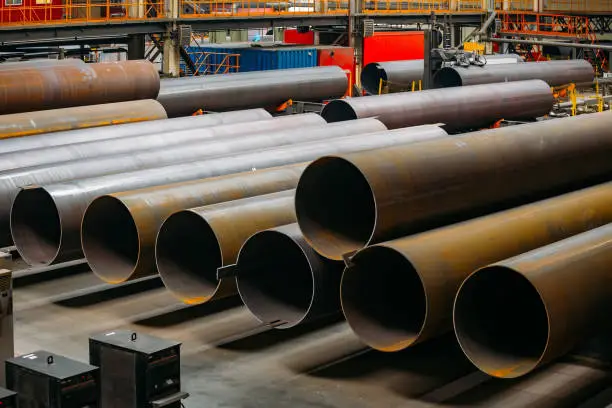
Understanding ASTM A691 3Cr Pipes – Specifications and Properties
Using electric fusion welding to make alloy steel pipes that meet ASTM A691 3Cr pipes standards is a high-tech way to solve engineering problems in places where regular carbon steel might not work. The standard tells manufacturers how to make chromium-molybdenum alloy steel lines that will be used at high temperatures in power plants, petrochemical plants, and refineries.
Chemical Composition and Metallurgical Features
The carefully controlled chemical makeup of 3Cr metal pipes is what makes them unique. About 3% of these lines are made of chromium, which changes the way the material behaves when it gets hot. The chromium presence makes a protective oxide layer on the pipe surface. This makes it much more resistant to oxidation and sulfur-containing atmospheres, which are common in hydrocracking units and catalytic reforming processes. This benefit in the way the metal is made directly leads to a longer service life, especially in places where regular carbon steel would break down more quickly.
Alloy steel plates from reputable mills like Bao Steel, TISCO, and HBIS are used to start the manufacturing process. This makes sure that the chemistry is consistent from the start. The edges of the plates are carefully shaped and joined using electric fusion welding methods that create longitudinal seams that are very strong. The required post-weld heat treatment process is what sets apart high-quality output. It removes any remaining stresses, improves the structure of the grains, and sets up the mechanical properties needed for pressure control.
Mechanical Properties and Heat Treatment Classes
The ASTM A691 standard lists several types of heat treatment that determine the final mechanical properties. Normalizing and shaping Class 22 material makes a substructure that is strong and tough at the same time. Quenched and tempered processing is done on Class 42 for uses that need a higher output strength. These methods improve the tensile strength, which is usually between 415 and 585 MPa, and the yield strength, which is between 205 and 415 MPa based on the class and wall thickness.
Post-weld heat treatment does more important things than just relieve stress. It controls hardness to keep things from breaking easily, which is especially important for chromium steels because they tend to harden in air. When PWHT is done right, the hardness stays below 225 HBW for general service and below 22 HRC when NACE MR0175 compliance is needed for bad service conditions with hydrogen sulfide. This careful control stops cracking caused by hydrogen while keeping the high-temperature strength that makes chromium alloys valuable.
Corrosion Resistance and Ability to withstand pressure
High pressure, corrosive media, and heat cycling all work against pipe materials in refining hydrotreating units that reach temperatures of up to 1,100°F (593°C). Because 3Cr metals contain more chromium, they are much more resistant to sulfidation than carbon steel options. This resistance is important from an economic point of view when looking at lifecycle costs, since early failures in high-temperature service cost a lot to replace and cause production to stop.
The ability to handle pressure depends on both the strength of the material and the quality of the weld. Controlled chemistry, heat treatment, and careful inspection make sure that these pipes can reliably hold pressures that are calculated to stretch the material to 90% of its specified yield strength. When hydrostatic testing confirms that the pressure integrity is correct and radiographic examination shows that there are no holes or slag inclusions in the welds, procurement teams are more confident that the piping systems will work as planned for their entire service life without breaking down at any point.
Comparative Analysis – Choosing ASTM A691 3Cr Pipes Over Alternatives
To choose the best piping materials, you have to weigh technical performance against business concerns like initial cost, fabrication costs, and the need for long-term maintenance. Chromium-molybdenum alloys come in a number of different forms, but knowing what makes each type different helps buyers match materials to specific needs for ASTM A691 3Cr pipes.
Electric Fusion Welded versus Seamless Production
When buyers compare ASTM A691 electric fusion welded pipes to ASTM A335 seamless pipes, they have to make a basic choice. Theoretically, seamless pipes made to A335 P11 (1.25Cr-0.5Mo) or P22 (2.25Cr-1Mo) grades have better features because they don't have longitudinal weld lines. But this benefit comes with some problems that change the way the cost-benefit analysis is done in many business settings.
Electric fusion welding makes it possible to make pipes with walls that are thicker than 24 inches and have diameters that would be too big or too expensive to make otherwise. When projects call for 36-inch diameter pipes for main steam lines or headers in ammonia synthesis plants, welding is usually the only way to make them. The difference in cost between EFW pipes and seamless pipes gets bigger as the diameter and wall thickness go up. This means that buying materials for EFW pipes could save 20–35% of what it costs for seamless pipes.
With controlled welding parameters and a required heat treatment after the weld, modern EFW production can make weld seam properties that are the same as or better than the base metal. If 100% radiographic testing shows that the weld is solid and Charpy V-notch impact testing shows that the pipe is tough enough, there isn't much of a difference in how well it works between welded and seamless pipes that were made correctly. This quality equivalence lets buyers save money without lowering the reliability of operations.
Chromium Content Comparison: 3Cr versus Lower Alloys
Which material to use—3Cr or a lower grade of chromium, like 1.25Cr or 2.25Cr—depends on how it will be used. The extra chromium in 3Cr metals makes them more resistant to oxidation and hydrogen attack than alloys with smaller amounts of chromium. This is very important in high-temperature hydrogen atmospheres above 900°F, where hydrogen can move into steel, combine with carbides, and weaken it through a process known as high-temperature hydrogen attack.
Refineries with hydrocracking units usually keep Nelson curves that show the highest and lowest temperatures and hydrogen partial pressures for different types of alloys. The acceptable working range for 3Cr steel is wider than that for 2.25Cr steel. This means that it can be used at higher temperatures or hydrogen pressures without damaging the material. Even though the 3Cr material costs a little more than lower grades of chromium, this investment keeps major failures from happening, which could lead to long shutdowns that cost millions of dollars in missed production.
Procurement Guide – How to Source ASTM A691 3Cr Pipes from China?
More and more, global procurement teams see China's steel pipe industry as a strategic source that offers low prices, reliable quality, and easy customization for ASTM A691 3Cr pipes. To successfully navigate Chinese supply markets, you need to know about the certification standards, logistics issues, and seller evaluation factors that set world-class makers apart from average ones.
Identifying Qualified Suppliers and Certifications
Verifying the supplier's certification is the first step in a successful procurement process. Manufacturers with a good reputation keep a lot of references that show they are dedicated to quality management systems and meeting product standards. API 5L certification proves that the company can make pipes that meet the standards of the American Petroleum Institute, and ISO 9001 certification proves that the company uses organized quality management practices to run its production processes.
Buyers who are picky look at more than just basic certifications. They also look at the supplier's production and testing infrastructure. It is recommended that factories have full heat treatment equipment that can do normalizing, tempering, quenching, and stress-relieving processes while keeping the temperature under control. Radiographic testing equipment is needed to look at welds, spectrometers are needed to check the chemistry by positively identifying the material, and mechanical testing tools are needed to check the tension, yield, and impact properties.
API 5L, ISO 9001, ISO 14001 environmental management, and ISO 18001 occupational health credentials are just a few of the many certifications that Longma Group has. They show that we take quality, environmental responsibility, and workplace safety very seriously. Our testing lab does all the destructive and non-destructive tests listed in ASTM A691. They give Mill Test Certificates that show the products fully meet the requirements that were ordered.
Procurement Considerations: MOQ, Pricing, and Lead Times
Minimum order amounts change from supplier to supplier based on how well their production schedules work and where they stand in the market. Large makers usually set MOQs of 20 to 30 tons for normal specifications. Higher minimums may be needed for custom heat treatment classes or dimensional requirements in order to support specialized production runs. Strategic buyers weigh the costs of keeping inventory against the savings that could be made by consolidating orders.
Pricing systems take into account many factors, such as the cost of raw materials, the difficulty of production, the need for testing, and changes in the market. The price of chromium alloy steel plate changes with the global markets for nickel and chromium. This makes planning for purchases more vulnerable to changes in commodity prices. Experienced sellers offer price validity periods and may offer fixed-price contracts for big projects that are delivered in stages. This helps buyers keep their budgets stable. Lead times usually range from 30 to 45 days for standard grades that only need routine testing. They can go up to 50 to 60 days if specific requirements call for extra testing, like low-temperature impact testing or hydrogen-induced cracking evaluation.
Conclusion
To find ASTM A691 3Cr pipe alloy pipes, you have to carefully evaluate suppliers by looking at their technical skills, quality systems, and focus on customer service. The higher amount of chromium in the composition makes it work better in harsh, high-temperature settings like those found in refineries and power plants. When you know about a material's metallurgical properties, manufacturing needs, and quality validation processes, you can make smart choices about what to buy that will maximize its initial investment and long-term value. Partnering with well-known makers who have all the necessary licenses, modern production facilities, and a customer-focused service culture lowers supply risk and takes advantage of the low prices that Chinese manufacturing can offer.
FAQ
What types of businesses use ASTM A691 3Cr chromium alloy pipes all the time?
These special ASTM A691 3Cr pipes are mostly used in the refining of oil, especially in hydrocracking units and catalytic reforming processes, which need better material properties because of the high temperatures and hydrogen atmospheres. They are used in power plants' main steam lines and reheat systems that work at temperatures close to 1,100°F. They are used in heat exchangers and ammonia production plants by petrochemical complexes, where sulfur-containing gases and high temperatures would quickly wear down carbon steel options.
How does the 3% chromium content make it work better in high or low temperatures?
Chromium changes the way steel behaves in a fundamental way at high temperatures by creating a protective oxide layer and strengthening the microstructure. The chromium oxide film is much better at stopping rust and sulfidation than the iron oxide scales that form on carbon steel. In metals, chromium raises creep strength, which means that the material doesn't bend when it's loaded continuously at high temperatures. In refineries and power plants, this combination makes the steel last a lot longer than carbon steel that isn't alloyed.
What should you know about welding 3Cr alloy steel pipes?
The chromium presence makes the metal air-harden, which means that strict welding rules are needed to keep the metal from breaking. Making preheating to at least 200°C mandatory lowers the rate of cooling and the risk of hydrogen diffusion. Welding instructions should call for filler metals or electrodes with low hydrogen levels and limited heat input. If you don't do immediate post-weld heat treatment (PWHT), hydrogen-induced cracking could happen hours or days after the welding is done. PWHT relieves residual stresses and softens any hard zones that were created during welding.
Partner with a Certified ASTM A691 3Cr Pipe Manufacturer in China
To get high-quality ASTM A691 3Cr pipe solutions that are delivered on time and meet all regulations, you need to work with manufacturers who can combine large-scale production, technical know-how, and customer dedication. Longma Group offers chromium alloy options that are backed by API 5L certification, ISO quality management systems, and more than 20 years of production excellence in more than 90 countries. Our yearly capacity of 1,000,000 tons makes sure that our products are always available, and our in-house testing services make sure that all specifications are met, which is shown by full Mill Test Certificates and inspection reports.
Email our experienced engineering team at info@longma-group.com to talk about your project needs, get full technical specs, or get quotes from different companies for your next purchase. We offer full solutions that are suited to your needs, whether you need standard production sizes or custom manufacturing with anti-corrosion coatings. Longma Group is a preferred supplier for major engineering contractors and procurement managers around the world because they offer competitive Chinese manufacturing costs along with world-class quality standards.