
When sourcing high-performance piping for elevated-temperature applications, understanding wall thickness tolerance becomes mission-critical. ASTM A691 3Cr pipe, manufactured through electric fusion welding (EFW) and subjected to post-weld heat treatment (PWHT), delivers exceptional service in demanding industrial environments. The standard wall thickness tolerance for this chromium-enhanced alloy steel pipe typically ranges from ±12.5% for nominal wall thicknesses according to ASTM specifications, though tighter tolerances can be negotiated with reputable manufacturers based on specific project requirements. This precision directly influences structural integrity, pressure ratings, and operational safety across petroleum refineries, power generation facilities, and petrochemical processing plants.
|
|
|
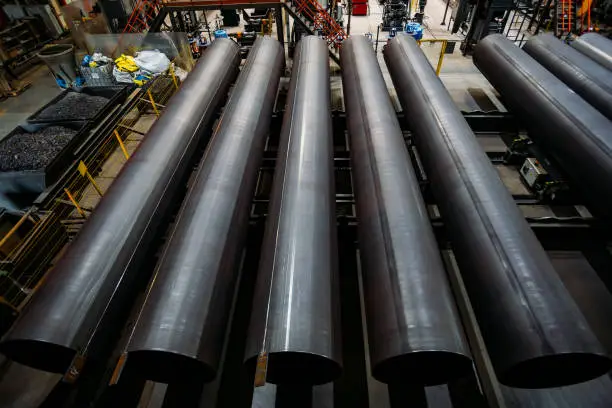
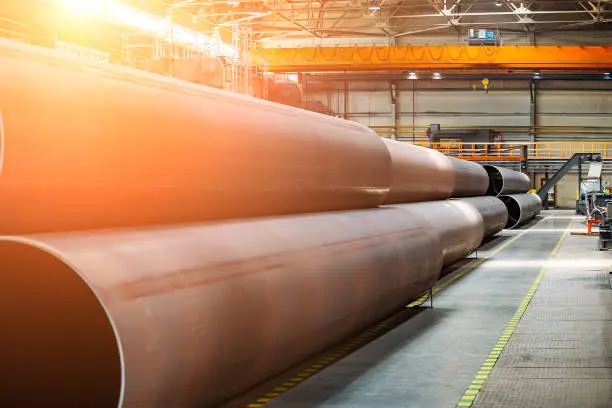
Understanding ASTM A691 3Cr Pipe Wall Thickness Tolerance
The idea of wall thickness tolerance refers to the amount of deviation that is allowed from the standard wall measurement during production. Accurate control of dimensions makes sure that pipes keep working properly and at the right pressure for as long as they are used.
What Defines Wall Thickness Tolerance in ASTM A691 Standards?
The ASTM A691 standard makes it clear how to handle differences in size in pipes that have been electric fusion fused. Tolerances for wall thickness depend on a number of things, such as the nominal diameter, the specified wall dimension, and the method of production. The standard allows certain positive and negative deviations to be measured anywhere around the pipe's circumference, but not at the weld seams. These tolerances allow for differences that are normal in the EFW method while keeping the structure's strength. When you make something from plates that contain about 3% chromium alloy steel, the material's features change, which affects how well you can control the thickness during making and welding.
Chemical and Mechanical Properties Affecting Thickness Control
About 3% of the 3Cr composition is chromium, and molybdenum is added to make it stronger at high temperatures and less likely to rust. This alloy's chemistry changes how easily it can be shaped when pipes are being made, which in turn changes how the material moves and stays stable in its shape. Post-weld heat treatment steps even out the grain structure and relieve any remaining stresses, which may lead to small changes in the dimensions. When manufacturers set their goals for the end wall width, they need to take these changes in the metal into account. The yield strength of the material is usually higher than 30,000 psi, and the tensile strength is higher than 60,000 psi. These mechanical properties directly relate to the thickness needed for certain pressure applications.
Industry Testing Methods for Dimensional Accuracy
Several standard measurement methods are used to check the wall thickness tolerance. Ultrasonic testing (UT) measures the thickness of a pipe without damaging it at several places along its length, creating detailed maps of its dimensions. Precision micrometers and calipers let you measure directly on important parts of a piece. Modern laser scanning systems can map the thickness of large pipes continuously. Quality assurance rules usually say that longitudinal welds must be x-rayed 100% of the time and have their dimensions checked at set times. These strict testing methods make sure that every pipe fits certain tolerances before it is shipped.
Key Factors Influencing Wall Thickness Tolerance in ASTM A691 3Cr Pipes
Controlling many factors that affect physical uniformity is important for excellent manufacturing. Knowing about these things helps people who buy things figure out what suppliers can do and predict problems with quality.
Manufacturing Process Impact on Dimensional Control
Using high-frequency induction or submerged arc welding to join the long edges of steel plates into a cylinder shape is how electric fusion welding makes pipes such as ASTM A691 3Cr pipe. This process of making adds mechanical forces that might change how uniform the wall thickness is. The EFW method needs careful plate selection and edge preparation, while seamless production keeps the width constant through rotation piercing and elongation. Changes in plate width have a direct effect on the final pipe measurements. Automated plate thickness monitoring and edge milling are used in advanced manufacturing facilities to reduce these differences before the forming process starts.
Heat Treatment Effects on Material Stability
Post-weld heat treatment is an important step in the process that changes the final size. Heating 3Cr metal pipes to temperatures between 1,250°F and 1,400°F and then slowly cooling them down reduces the stress from welding and reaches the required hardness level below 225 HBW. As the material goes through metallurgical transformation, this thermal cycle may cause small changes in its size. To meet final tolerance goals, experienced makers increase the sizes of the pre-heat treatment to account for these changes that are likely to happen. The 3% chromium presence makes the metal air-harden, which means that precise temperature control is needed to keep the dimensions stable.
Corrosion Resistance and Design Thickness Margins
The protective chromium oxide layer that forms on the surfaces of 3Cr alloys is useful in places with sulfur and high temperatures that are oxidizing. Engineers often define extra wall thickness above the minimum pressure needs to account for the expected rate of weathering over the pipe's design life. When working with small corrosion allowances, it's especially important to have tighter thickness tolerances because differences in size have a direct effect on how long something will last in service. Catalytic reforming units and petrochemical processing plants need precise thickness control to make sure that enough material is left over after years of being exposed to harsh chemicals.
ASTM A691 3Cr Pipe vs Other Pipe Grades: Thickness Tolerance and Performance Comparison
To choose the right materials for pipes, you need to know how different specifications work in different operating conditions. When choosing the best material, it's helpful to compare its thickness tolerance capabilities with its mechanical properties.
Comparison with ASTM A335 P11 Seamless Pipes
ASTM A335 P11 seamless pipes have 1.25% chromium and 0.5% molybdenum in them and are also used for high-temperature tasks. In contrast to welded construction, seamless manufacturing usually gets tighter thickness limits (often ±10%). But seamless production isn't always possible for widths bigger than 24 inches and wall thicknesses that are too thick, because those sizes make the costs go up a lot. The ASTM A691 3Cr pipe welded option is a cheaper way to meet large-diameter needs while still maintaining good control over the dimensions. When making procurement choices, people often have to weigh the level of precision needed against project funds and availability.
Performance Against ASTM A691 5Cr Grade
Higher chromium content in 5Cr grades (about 5% chromium) makes them more resistant to rust, so they can be used in even harsher circumstances. The higher alloy level changes how easy it is to work with the material during forming, which could make controlling the thickness harder. Complexity in manufacturing usually means longer lead times and higher costs. The 3Cr composition is the best mix for many uses because it offers enough resistance to corrosion and strength at high temperatures while still allowing for decent production limits and affordable prices. When conditions don't call for the extreme performance characteristics of higher-chromium grades, projects should specify 3Cr.
Advantages Over Conventional Carbon Steel
Chromium alloying gives standard carbon steel pipes the strength and resistance to rust that they need at high temperatures. Above 900°F, carbon steel oxidizes more quickly and doesn't fight sulfidation very well. Even though carbon steel pipes can get close to the same thickness tolerances, they can't perform as well in demanding service as 3Cr alloys. The addition of chromium makes the steel work reliably at temperatures close to 1,100°F, where carbon steel would break down quickly. For important uses in power generation and petrochemical processing, this speed benefit makes the higher price worth it.
Procurement Considerations for ASTM A691 3Cr Pipe Wall Thickness Tolerance
To successfully source, you need to carefully evaluate suppliers and make sure that technical needs are clearly communicated. Strategic procurement practices keep quality risks to a minimum and make sure projects are finished on time.
Supplier Quality Verification Methods
Manufacturers you can trust give you a lot of paperwork, like Material Test Certificates (MTC) that explain chemical analysis, mechanical qualities, and measures. Third-party inspection groups, such as Lloyd's Register, Bureau Veritas, or TÜV, check how products are made and that they meet standards. Specifications for the purchase should include chances for client representatives to watch important quality control processes and test the products. Looking at factory certifications like API 5L, ISO 9001, and pressure vessel code compliance shows that quality control processes are in place. Site audits of production sites show how the quality control, process controls, and equipment skills affect the consistency of thickness.
Cost Factors and Availability Timeline
Specifications for wall thickness have a big effect on prices and delivery times. Tighter tolerances mean that more steps need to be taken during processing and stricter inspection rules need to be followed, which drives up the cost of manufacturing. Large-diameter heavy-wall pipes need special tools to be formed, which limits the number of suppliers. Manufacturers try to get the most out of their production runs by setting minimum order amounts for non-standard specs. Total settled costs are affected by things in the global supply chain, like getting raw materials from reliable mills and figuring out how to ship them. When planning a project, experienced procurement managers talk to suppliers early on to find out how long the lead time will really be. For standard specifications, the lead time is usually 60 to 90 days, but it could be 120 days for custom requirements.
Essential Certifications and Manufacturer Credentials
Look for suppliers who have the right pressure equipment directives and code compliance certifications to show that they follow the rules. OEM partnerships with well-known steel mills make sure that the quality of the raw materials from TISCO, HBIS, and other big steelmakers stays the same. Manufacturers who have done a lot of exporting know what the rules are for foreign inspections and what the standards are for paperwork. Safety and environmental certifications, such as ISO 14001 and ISO 45001, show that a company is dedicated to using complete management systems. When it comes to high-stakes industries like offshore platform building and power generation, companies usually have higher internal quality standards than what is required by minimum specifications.
Conclusion
Wall thickness tolerance in ASTM A691 3Cr pipe is more than just a measurement—it has a big impact on the pipe's structural integrity, its ability to withstand pressure, and how long it will last in tough industrial settings. Combining the electric fusion welding method with 3% chromium alloying makes it possible to make large-diameter high-temperature pipes that are also within acceptable dimensions at a low cost. To be good at buying, you need to know how the properties of the material, the production process, and the heat treatment methods affect the consistency of the thickness. To protect project investments and operational safety, suppliers must be carefully evaluated, thorough testing protocols must be followed, and tolerance requirements must be made clear. Strategic buying from approved makers with well-established quality systems makes sure that pipes that meet strict technical standards are always available.
FAQ
What is the standard allowable wall thickness tolerance for ASTM A691 3Cr pipe?
In general, the ASTM A691 standard allows wall thickness variations of ±12.5% from the nominal specified dimension. However, many high-quality makers are able to keep things under tighter control, and specific tolerance requirements can be worked out based on the needs of the product and the inspection procedures.
How does thickness tolerance affect pipe performance in corrosive environments?
Tighter thickness standards make sure that the pipe's corrosion limit stays the same all the way through, so that thin spots don't cause it to fail early. In petrochemical facilities, which often have sulfur-containing and oxidizing atmospheres, consistent dimensions directly relate to expected service life.
Can I request custom thickness tolerances from manufacturers?
Suppliers with a good reputation can work with tolerances that are tighter than usual by using more thorough checking methods and selective factory controls. When buying something, custom needs should be made very clear, and it should be known that tighter limits can affect prices and delivery times. Shipments that meet special tolerance requests usually come with proof of the actual thicknesses that were measured.
Partner with Longma Group for Precision-Engineered ASTM A691 3Cr Pipe
Longma Group can help you with even the most difficult projects because they have been making electric fusion welded pipes for 20 years. As a top ASTM A691 3Cr pipe provider, we strictly control the sizes of all of our products throughout the production process, from getting the raw materials from Shagang, TISCO, and other top steel mills to using advanced ultrasonic testing systems for the final checking. Our ISO 9001-certified factories make more than 1,000,000 tons of goods every year for oil companies, power plants, and chemicals plants in 90 different countries. We give you all the paperwork you need, like Material Test Certificates, Inspection and Test Plans, and third-party verification reports that show the thickness tolerances are met. Our engineering team can help you with solutions that are backed by API 5L approval and a wide range of manufacturing options, whether you need standard specs or custom tolerance requirements for important uses. You can talk to our procurement specialists about your project needs and get detailed technical proposals at info@longma-group.com. This is why leading contractors choose Longma Group as their trusted ASTM A691 3Cr pipe manufacturer.








