
The main difference between EN 10210 and EN 10219 is the manufacturing route. EN10210 pipe, correctly called a hot-finished structural hollow section, is formed hot or normalized after cold forming, so it ends with low residual stress and uniform properties. EN 10219 covers cold-formed welded hollow sections, which keep the stress and corner hardening created during forming. Both standards cover round, square, and rectangular structural sections in grades such as S235, S275, and S355. They differ in tolerances, design treatment under Eurocode 3, cost, and best-fit applications. I explain each point below so you can specify the right product.
|
|
|
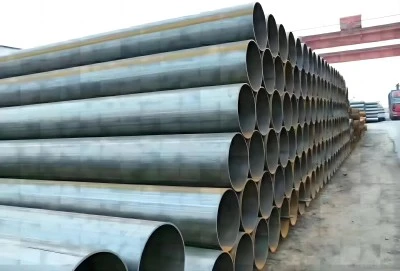
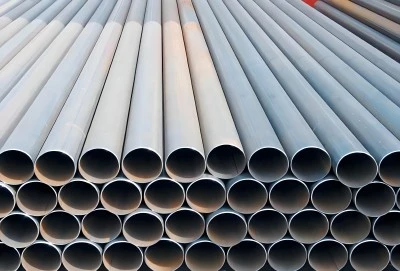
EN 10210 vs EN 10219: Manufacturing Route and Scope
What Both Standards Cover
Both of them are part of the European group of structures for hollow sections. Made from fine grain and non-alloy steels, they come in square, round, and rectangular shapes. An engineer can use them to make columns, trusses, bridges, and industrial buildings. You shouldn't use them in boilers or process lines because they aren't standards for pressure pipes. The Construction Products Regulation says that parts sold in the EU must have the CE stamp. This is because both sets of rules are the same. Before they accept any hollow section that has been hot-finished or cold-formed, European fabricators need plant production control papers and test certificates that can be kept track of.
Hot-Finished vs Cold-Formed Production
Sections that are "hot-finished" get their final shape when they are very hot. They can also be shaped cold and then tweaked to work like a product that was formed hot. There are times when EN10210 pipe is not weld-free because the route may or may not have a weld seam. EN 10219 parts are rolled at room temperature from a coil or plate to make them. The next step is to make a horizontal weld, which is usually done with high-frequency welding or submerged arc welding. There's no need for a last heat step. The two things have different residual stress, corner shape, and weld position even though the grade names look the same on paper. This is because the routes are different.
Residual Stress, Corners, and Dimensional Stability
Steel is bent past its yield point when it is cold made. Corners of square and rectangular pieces are most likely to have this happen. The area is stronger because of that, but it is also less flexible because of the stress that was put on it. When you cut, drill, or join hot-finished parts, they tend to stay stable because they have less stress left over. This is the most important thing to remember about heavy columns, cyclic loading, and architectural steel that needs to be straight after being made. Everyday building work still uses cold-formed pieces, and it is known that their corners are stronger. For each product, designers should follow the rules that are right for that product.
EN 10210 and EN 10219 Standards, Grades, and Documents
Parts of Each Standard
There are two parts to every standard that work together. EN10210 pipe orders should always name both parts, not just one. The chemical make-up, mechanical properties, tests, and inspections are some of the technical delivery conditions set by EN 10210-1 and EN 10219-1. Both EN 10210-2 and EN 10219-2 set out the sizes, tolerances, and sectional features. If someone buys something, I make sure they write down both the part number and the edition number when I look over the order. Since a grade requirement without a measurement can cause a dispute, this is the case. Versions change over time, so don't just use the newest one. Instead, change the version to fit the project. This simple step stops most arguments at the enter inspection.
Reading S355J2H and Other Grade Codes
What the steel can do is written on the grade code. That's what "S" stands for in S355J2H. "355" is the lowest stress strength (in MPa) for the thickest plates. At -20 °C, it means that the impact energy is 27 J at its lowest. H stands for a hollow part. At +20 °C, the JRH is checked, and at 0 °C, the J0H is checked. Under EN 10210 and EN 10219, S355J2H has the same name but is made in different ways. This is because both standards use the same codes. For most building and bridge work, steel grades S235, S275, and S355 are fine. You can match the toughness to the lowest service temperature with the help of the impact letters.
Certificates and Traceability
Grade names don't mean much if you don't do the work. A lot of the time, people in Europe want to see an EN 10204 type 3.1 certificate. This certificate lists the heat number, chemistry analysis, stress results, and impact results. They also want a factory output control certificate to back up the CE mark. With type 3.2, the results are also checked by a buyer agent or tester from outside the company. I believe the heat number should be put on both the certificate and the pipe sign. So, a person in charge can find any piece and figure out where it melted. Longma Group has licenses for FPC, ISO 9001, and API 5L. Writing ITP, MPS, and MTC papers for technical projects is what we do.
Technical Differences in Dimensions, Tolerances, and Performance
Dimensions and Tolerance Limits
If you look at the second part of each standard, it tells you how much the outside diameter or width, wall thickness, squareness, straightness, and corner radius can vary. These parts have different numerical limits, so don't just guess that they match; check them out for yourself. These things have an effect on fit-up, weld preparation, and link design. When someone asks me to help them compare quotes, I ask them to write down the width, wall thickness, length, and error class on the quote. Our EN10210 pipes come in walls that are between 3 inches and 80 inches thick and 3 inches to 80 inches wide. Make sure you know the exact millimeter thickness before you place your order. The numbers on the schedule and the sizes on the drawing must match.
Wall Thickness, Buckling, and Design
Weight per meter, bending strength, weld preparation, and freight cost are all affected by how thick the wall is. EN10210 pipe is a good example of why wall thickness matters so much. There is also a column buckling table in Eurocode 3, EN 1993-1-1, that is different for the two types of products. Curve a shows where hot-finished hollow sections fall for steel grades S235 to S420. Curve c shows where cold-formed sections fall. Since the design resistance goes up with thinner lines, the curve gets better. This means that parts that hold things together can be lighter. That being said, the chief engineer has the last word, but this one rule is what makes a specification name EN 10210.
Impact Toughness and Low-Temperature Service
It's important to have impact energy in cold places, on bridges, and when the load changes over time. The J0H and J2H codes need 27 J at 0 °C and -20 °C. The grade letters don't show the difference between the two standards because they use the same code. The test report has it. People who want to buy something should ask for Charpy V-notch results on the 3.1 certificate for the exact heat that was given to them and write down in the purchase order how often the tests will be done. To boost trust in the project, have an outside inspector look over the survey. Check that doesn't get cashed costs less than a delivery that not gets picked up.
Which Standard Should You Choose, and How Do You Buy It?
Matching the Standard to the Application
Start with the load case and the design code. There are times when hot-finished pieces of EN 10210 can be used for heavy beams, bridge members, industrial supports, and steelwork that can be seen. The design standards for cold-formed sections are met by EN 10219. These sections can be used for general building frames, farming structures, fences, and light to medium fabrication. Plus, it costs less most of the time. This simple table shows the budget, load level, toughness, size availability, and tolerances. This makes it easy to make a choice. You should always get written permission from the engineer, the EPC contractor, or the project owner before switching from one standard to another. Longma Group makes both EN 10219 and EN10210 pipe, so you can get a variety of options from one place.
Comparison with EN 10216 and ASTM A500
The following sentence tells you that pressure tubes and structural hollow sections are not the same thing. For pressure, EN 10216 talks about seamless steel tubes, and EN 10210 talks about structural hollow sections. In the US, ASTM A500 is the well-known standard for stiff tubes. In types like A, B, and C, it includes both welded and seamless carbon steel tubing that we cold made. Not so with ASTM A501, which is for hot-formed tubing. They have different grade systems, chemical limits, and test rules, so you should treat them as separate items. You should only agree to a different option after the tech confirms it is the same. Longma Group also buys ASTM A500 grades A, B, and C from this company.
Procurement Checklist and Common Mistakes
Quotes work when the question is clear. EN10210 pipe quotes should start with all the details written down. Write down the grade, form, size, length, number, wall thickness, surface finish, end preparation, inspection level, packing, and where the item is going. Next, add the necessary papers, like an EN 10204 3.1 certificate, test results, NDT records, and the ability to find a heat number. People often get things wrong, like not mentioning EN 10210 for gas or steam lines, comparing prices only by the ton without testing or freight, or not thinking about how long it will take to ship. Check out how much it costs to land. Duties on steel imports depend on both the product code and the country of origin. Before you place an order, talk to your customs broker about the most up-to-date rules.
Surface Treatment, Welding, and Supply from Longma Group
Coating Options and Hot-Dip Galvanizing
When it comes to life, the finish is just as important as the steel. You can paint, hot-dip galvanize, powder coat, shot blast with primer, or give it a black finish after it's been made. Choose based on the humidity, whether it will be wet or dry, and the order in which it will be made. Make sure to add vent and drain holes to hollow parts that you are galvanizing so that air can escape and zinc can move easily. Zinc baths that keep air and water inside are dangerous. Before they put on the zinc layer, you should let the galvanizer know what grade and science of steel you have. Longma Group can hot-dip galvanize things and do other work to keep them from rusting.
Welding Considerations
Chemistry is the first thing that needs to be done to make welding work well. Cracks are more likely to happen in the heat-affected zone if the walls are thicker, the material is preheated, or both. It says how much carbon equivalent can be used for each grade in EN 10210-1. Fabricators also need to follow rules for things like EN ISO 15614-1 and EN 1090 when it comes to execution. There needs to be more control over the heat when the walls are thicker. You might want to get the product formula on the MTC before the welding team writes its process. This is because the plan is built on real values instead of general rules. If the pipe has been welded, you should also ask for the NDT report for the seam where the welding was done.
EN10210 Pipe Supply Details from Longma Group
Here are the steps you need to take to get our EN10210 pipe.
- Grades and sizes: The three grades of EN10210 pipe that we sell are S235, S275, and S355. Sizes range from 3 inches to 80 inches on the outside, and wall thicknesses from SCH10 to SCH160. Please let us know the exact length and thickness of the wall you need in millimeters so we can make sure the size matches your drawing and meets your tolerance needs.
- Stock and delivery: We have 50 to 150 tons in stock, and 7 days is the best time for sending. Since the lead time changes based on size, quantity, and shipping route, make sure you ask us to check the plan when you ask for a quote. That lets project managers know when to start making things and bring things to the site.
- Packing and documents: We stack, box, or package the pipe in wood to keep it safe while it's being shipped by sea. Our documentation includes MTC, ITP, and MPS, and our raw materials come from Chinese steel mills such as Shagang, TISCO, HBIS, and Baosteel, with traceability from raw material to finished goods.
Before the first sale, your buying and quality teams can look at the offer and see if it meets the needs of the project.
Conclusion
There are some differences between EN 10210 and EN 10219 when it comes to talking about structural hollow sections. When EN10210 pipe is hot-finished, it has less stress left over and a better Eurocode 3 column buckling curve. When EN 10219 pieces are cold-formed, they stay in shape and are cheap. They are often used for DIY building projects. Grade codes, such as S355J2H, talk about strength and impact energy in the same way. Because of this, it is more important to have a test report, acceptable limits, and notes of where the material came from than to have a name on paper. For pressure service, neither standard works well. ASTM A500 isn't always the same as other standards, and any change needs to be approved in writing by an expert. Coating, welding, and planning the paperwork are the last steps in finishing the design.
FAQ
Is EN 10210 always stronger than EN 10219?
No, strength changes based on grade, section size, wall thickness, and load. While both use the same yield code for S355J2H, Eurocode 3 gives different buckling curves for sections that are hot-finished and sections that are cold-formed. Before you buy, your structural engineer should check the plan to make sure it works with the item you want.
Can I replace EN 10210 with EN 10219 to save cost?
Written by the expert, the EPC company, or the project owner. The two standards are not the same in terms of how they are made, what their limits are, or how they are designed. Just because one is cheaper doesn't mean it's the same. You can look over the suggested replacement before you accept the order. I will send it to you with its data sheet and test certificate.
Which documents should I request with EN10210 pipe?
You should ask for a certificate to EN 10204 type 3.1 that shows the heat number, chemical analysis, tensile results, and impact results for the EN10210 pipe. Add NDT records for the pipe's welded seam and factory production control records for CE marking. The Longma Group can also provide ITP and MPS documents to your team.
Choosing Between EN 10210 and EN 10219? Talk to Longma Group
They have 50 to 150 tons of EN10210 pipes in stock that they sell. In as little as seven days, they can bring you pipes. Our team will make a price with information on MTC, ITP, and MPS after you send us your grade, outer diameter, wall thickness, length, number, and where you want the product to go. Email info@longma-group.com or visit longma-group.com to start a technical review.