
To choose good EN10210 pipe suppliers, you need to think carefully about their quality standards, delivery options, and technical knowledge. Longma Group and other well-known manufacturers are some of the top suppliers. Also, accredited distributors with large stocks of steel pipes are great places to get information. Also, dedicated B2B platforms do a great job of connecting customers with trusted suppliers. Checking the certificates of suppliers is important for successful buying. You also need to look at how much manufacturing capacity you have. Finally, it's quite important to know if they can match the needs of certain projects in distinct worldwide marketplaces.
Getting EN10210 pipe structural hollow pieces from all over the world comes with both unique opportunities and obstacles. The worldwide steel pipe market gives you access to a wide range of vendors. It also offers prices that are competitive. Also, purchasers might use specific production skills. But customers have to deal with different quality standards. They also have to deal with complicated shipping logistics and checking suppliers. Procurement managers can benefit from knowing how these things work. So, companies may choose the best suppliers for important infrastructure projects with confidence.
|
|
|
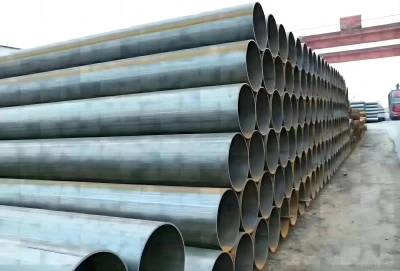
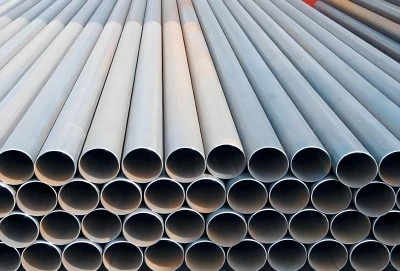
Understanding EN10210 Pipe Advantages and Applications
Material Composition and Performance Characteristics
The carbon-manganese steel that makes up EN10210 pipe structural hollow sections gives them great mechanical qualities. The S235, S275, and S355 grades have different yield strengths. They go from 235 MPa to 355 MPa. So, they may be used in a variety of structural settings. Hot-finished manufacturing procedures make sure that the dimensions are correct. This method also gives a better surface polish than cold-formed options.
These steel tubes are very easy to weld. Because of this, engineers may make complicated structural connections without hurting the integrity of the materials. Also, the fine-grain structure that comes from regulated cooling makes the material tougher. This functionality is very useful for applications that need dynamic loading. It is also very important for projects that have to deal with very hot or very cold weather.
The chemical equilibrium in these pipes also makes them last longer. The carbon concentration makes it hard. At the same time, manganese makes tensile strength better. This combination makes a material that can handle a lot of stress. Engineers like these hot-finished pieces better since they don't have any internal tensions. They don't get corner hardening like cold-formed parts do. As a result, the material acts in a way that is expected during manufacture. This makes it less likely that the structure will fail over time.
Industry Applications Across Global Markets
EN10210 pipe hollow parts are used a lot in systems that move oil and gas. Companies utilize them to support pipelines, to be more specific. They also utilize them to build platform frameworks. The ability to resist corrosion is quite important here. These pipes are perfect for offshore use since they are strong and light. In these kinds of settings, structural integrity is still quite important.
Infrastructure projects for water supply also get a lot of help. These structural steel grades are stable in size and can handle pressure, which is what they need. In addition, their load-bearing abilities are used in building bridges. Building frames use them for stability in the same way. Industrial production facilities also depend on their endurance. For example, they employ these pipes to hold equipment in place. They also employ them to make complicated structural support systems.
These pipes are becoming more and more important in the renewable energy industry. S355 grade steel is commonly used for the strong towers that hold up wind turbines. Solar panel mounting systems also employ smaller hollow parts. So, this standard's adaptability helps the switch to green energy. Architects also like how these parts look. The smooth coating lets steelwork show through in modern structures, which looks nice.
Global Supply and Demand Analysis for Structural Hollow Sections
Market Dynamics in Key RegionsThe Middle East represents a significant consumption center for EN10210 pipe. This demand is driven by extensive oil and gas infrastructure development. Countries like Saudi Arabia, UAE, and Qatar consistently demand large quantities. They need these materials for petrochemical facilities. Additionally, they require them for massive pipeline projects. Australian markets also show strong demand. Projects like MOBIL OIL AUSTRALIA require stringent quality compliance. Furthermore, they demand reliable delivery schedules.
Southeast Asian regions show growing demand as industrialization accelerates. This trend is visible across Vietnam, Thailand, and Malaysia. Manufacturing expansion drives this growth. Additionally, infrastructure modernization creates consistent requirements. These projects need structural steel products that meet international standards.
Europe remains a steady market for these specifications. The strict adherence to EU building codes keeps demand stable. However, emerging markets in Africa are also becoming important. Infrastructure projects in these regions increasingly specify European standards. Consequently, suppliers must adapt to a truly global customer base. They must understand the unique logistical challenges of each region.
Production Capacity and Lead Times
Global production capacity varies significantly between regions and manufacturers. Established producers like Longma Group maintain substantial inventory levels. For example, we often hold 50-150 tons of stock. This enables a rapid response to urgent project requirements. Standard delivery times range from 7 days for stock items. However, custom specifications may take several weeks.
Market fluctuations affect availability. This happens particularly during peak construction seasons. It also occurs when major infrastructure projects consume substantial quantities. Therefore, planning procurement schedules around these patterns is essential. It helps secure favorable pricing. It also ensures better delivery terms.
Raw material availability also impacts production. The supply of iron ore and scrap metal fluctuates. This volatility affects the final production output of steel mills. Consequently, smart buyers monitor raw material trends. This knowledge helps them predict potential shortages. It also helps them anticipate price hikes. Working with a supplier who has a robust supply chain mitigates these risks.
Comparing Different Supplier Categories
Direct Manufacturer Benefits and ConsiderationsWorking directly with manufacturers offers several advantages. First, it provides competitive pricing. Second, it allows for customization capabilities. Third, buyers receive direct technical support. Manufacturers typically provide comprehensive documentation. They also offer quality certifications. Furthermore, they can accommodate specific dimensional requirements. They can even apply special treatments like galvanizing.
However, there are some considerations. Minimum order quantities (MOQs) may be higher. Additionally, communication channels might require more coordination compared to local distributors. Lead times can vary based on production schedules. They also depend on the current order backlog.
Despite these factors, the direct relationship builds long-term value. You gain insight into the production process. You can also negotiate better terms for recurring orders. Moreover, warranty claims are often easier to resolve directly with the source. For large-scale projects, the cost savings usually outweigh the logistical efforts.
Distributor and Trading Company Options
Local distributors provide immediate availability for standard sizes and grades. They often maintain inventory to serve regional markets specifically. They offer language convenience. In addition, they provide local technical support. Furthermore, they utilize established logistics networks for efficient delivery.
Trading companies bridge international markets. They facilitate connections between manufacturers and end users. They handle documentation effectively. They also manage customs procedures. Moreover, they often provide competitive pricing through volume purchasing agreements.
However, using intermediaries adds to the cost. The markup covers their storage and service fees. Furthermore, you might have less visibility into the original manufacturing source. This can sometimes complicate quality traceability. Therefore, buyers must weigh speed against cost and transparency.
B2B Platform Considerations
| Sourcing Channel | Advantages | Disadvantages | Best For |
|---|---|---|---|
| Direct Manufacturers | Lower costs, customization, technical support | Higher MOQs, longer lead times | Large projects, custom specifications |
| Local Distributors | Quick delivery, local support, smaller quantities | Higher pricing, limited customization | Urgent requirements, standard sizes |
| Trading Companies | Market access, documentation handling | Less direct control, varying quality | International projects, complex logistics |
| B2B Platforms | Wide supplier selection, price comparison | Quality verification challenges | Initial supplier research |
B2B platforms act as a starting point. They allow for quick price comparisons. However, verification is difficult. Scams can occur. Therefore, buyers should use these platforms cautiously. They should always move the conversation to official channels before payment.
Practical Procurement Guidelines and Quality Control
Supplier Verification and Assessment
Successful procurement begins with thorough supplier evaluation. First, verify manufacturing certifications. These include ISO 9001 quality management systems. You should also check for specific product certifications like API 5L or ASTM standards. Next, review production facility capabilities. Also, examine their quality control procedures. Finally, check for testing equipment availability.
Request sample materials for independent testing when possible. This step confirms the physical properties. Evaluate supplier financial stability as well. Assess their production capacity. Furthermore, check customer references from similar projects. Consider visiting facilities for critical projects. This allows you to assess capabilities firsthand.
Digital verification is also useful. Check their online presence. Look for third-party audits. Reports from agencies like SGS or Bureau Veritas add credibility. A legitimate EN10210 pipe supplier will transparently share these documents. If a supplier hesitates to provide proof, consider it a red flag.
Quality Control and Testing Requirements
EN10210 pipe products require specific mechanical property verification. This includes yield strength testing. It also includes tensile strength testing. Furthermore, impact resistance testing is crucial. Chemical composition analysis ensures compliance with specified steel grades. Dimensional inspection is equally important. It confirms outer diameter tolerances. It also checks wall thickness uniformity and length accuracy.
Non-destructive testing methods are vital. For instance, ultrasonic inspection detects internal defects. Hydrostatic testing verifies pressure resistance. This is necessary for applications involving fluid transport. Proper documentation supports project compliance requirements. This includes Material Test Certificates (MTC). It also includes Inspection Test Plans (ITP).
Visual inspection also plays a role. Inspectors look for surface defects. These might include cracks, pits, or laminations. The pipe ends must be properly beveled or square cut. Marking and labeling must be clear. This ensures traceability on the job site. Strict adherence to these standards prevents costly rework later.
Payment Terms and Risk Management
Standard payment terms vary. They often range from 30% advance payment to letters of credit. Establish clear quality acceptance criteria. Do this before finalizing payment terms. Also, define inspection procedures early. Consider trade insurance for large orders. This protects against financial loss. It is also wise for new supplier relationships.
Monitor delivery schedules closely. Maintain communication throughout production cycles. Furthermore, plan for potential delays. Order materials ahead of critical path requirements when possible. Currency fluctuations also pose a risk. Lock in exchange rates if possible.
Clear contracts prevent disputes. Specify the Incoterms clearly (e.g., FOB, CIF). Define the penalties for late delivery. Outline the procedure for replacing defective goods. A well-structured contract protects both the buyer and the seller. It ensures a smooth transaction.
Contact Longma
Finding reliable EN10210 pipe suppliers requires balancing quality, delivery, and cost considerations across global markets. Direct manufacturers offer competitive advantages for large projects requiring customization. In contrast, distributors provide flexibility for immediate needs. Successful procurement depends on thorough supplier verification. It also requires clear quality specifications. Furthermore, proactive project planning is essential. The growing demand across oil and gas, water supply, and construction industries ensures continued market development. Consequently, supplier relationships become increasingly valuable for long-term project success.
Partner with Longma Group for Reliable EN10210 Pipe Supply
Longma Group stands as a trusted EN10210 pipe supplier. We possess over two decades of manufacturing excellence. Additionally, our global reach spans 90+ countries. Our comprehensive inventory includes S235, S275, and S355 grades. This ensures immediate availability for urgent project requirements. Meanwhile, our 7-day delivery capability supports tight construction schedules.
Our annual production exceeds 1,000,000 tons. Furthermore, we maintain complete certification compliance. This includes API 5L and ISO 9001. Therefore, we deliver quality assurance throughout every project phase. Do not hesitate to reach out. Contact info@longma-group.com today. Discuss your structural hollow section requirements with our experienced technical team. We are ready to support your success.
FAQs
What are the standard grades available for EN10210 pipes?EN10210 pipe products are available in three primary grades. These are S235, S275, and S355. Each grade represents different yield strength levels. Specifically, they are 235 MPa, 275 MPa, and 355 MPa respectively. This variety allows engineers to select appropriate materials based on structural load requirements. It also helps them meet specific safety factors.
How do delivery times vary between different suppliers?
Delivery times depend on stock availability. They also depend on order quantities and manufacturing schedules. Stock items can typically ship within 7-10 days. However, custom specifications may require 3-6 weeks. Additionally, international shipping adds 1-3 weeks. This duration depends on the destination and logistics arrangements.
What documentation should suppliers provide with EN10210 pipes?
Reputable suppliers provide Material Test Certificates (MTC). They also supply Inspection Test Plans (ITP). Furthermore, they provide compliance certificates for relevant standards. Manufacturing Procedure Specifications (MPS) are also important. Finally, quality control records demonstrate production process adherence to specified requirements.
What are typical minimum order quantities for EN10210 pipes?
Minimum order quantities vary by supplier and pipe dimensions. Manufacturers typically require 10-25 tons minimum. Conversely, distributors may accept smaller quantities of 1-5 tons. Custom specifications usually require higher minimums. This requirement justifies the production setup costs.
How can buyers verify supplier quality capabilities?
Verify supplier certifications including ISO 9001. Check for API certifications and relevant product standards compliance. Furthermore, request facility audits. Ask for customer references and sample testing results. Finally, review production equipment capabilities. Always check quality control procedures before placing orders.
Is EN10210 suitable for low-temperature environments?
Yes, specific sub-grades within the standard are designed for this. For example, grades designated with J2 or K2 undergo impact testing at -20 degrees Celsius. Therefore, they maintain toughness in freezing conditions. Always specify the impact requirement when ordering for cold climates.